A kiss can mark affection, seal an agreement, signal status or cross a legal boundary. Across centuries, legal systems have treated the same physical act as property, contract, ritual, moral offense and assault.
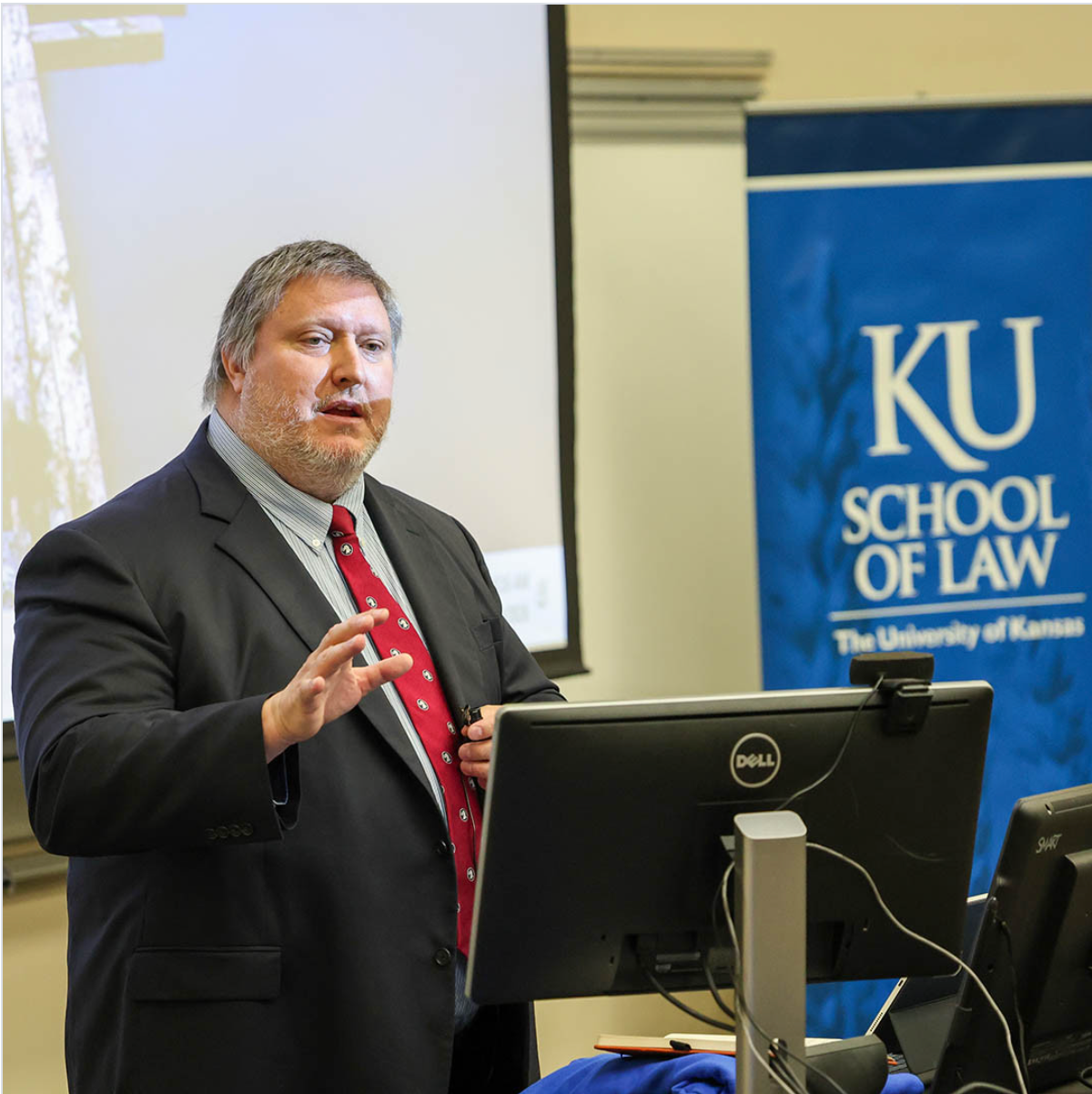
That range is the subject of an analysis by Andrew Torrance, a University of Kansas law professor. Torrance examines what he calls “osculation regulation,” combining legal history with research from anthropology, psychology and evolutionary biology.
His central point is that kissing has never carried one universal meaning. Romantic mouth-to-mouth kissing itself is not practiced everywhere, and the law has changed along with cultural ideas about intimacy, hierarchy and bodily autonomy.

Anthropological evidence complicates the assumption that romantic kissing is simply a universal human behavior. A cross-cultural survey of 168 societies found evidence of romantic-sexual mouth kissing in about 46% of them.
Other cultures have expressed affection through different forms of physical contact. That variation matters legally because a gesture treated as ordinary or affectionate in one setting may carry a different meaning somewhere else.
Torrance also reviews evolutionary explanations for kissing. Scholars have proposed links to mouth-to-mouth feeding, grooming behavior and other forms of social bonding. But those theories do not determine what a kiss means in any particular society.
Culture supplies much of that meaning. A kiss can function as a greeting, an intimate act, a sign of submission or an expression of loyalty. That flexibility helps explain why legal systems have repeatedly assigned very different consequences to the same basic behavior.
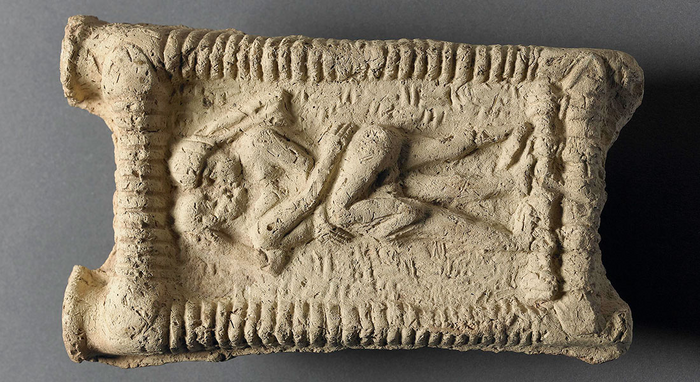
Some of the earliest written evidence for kissing reaches back at least 4,500 years to Mesopotamia, where surviving texts distinguish romantic and sexual kissing from kisses between relatives and other forms of affection.
Later legal traditions sometimes treated kissing through ideas that now seem far removed from modern bodily autonomy. In ancient Rome, the ius osculi, or “right of a kiss,” reportedly allowed a husband to kiss his wife in part to determine whether she had consumed wine. What appeared to be affection could therefore operate as surveillance and control.
Medieval European kissing could carry ceremonial or legal weight. A vassal’s pledge to a lord might conclude with an osculum pacis, or kiss of peace. Kisses also appeared in agreements, reconciliation ceremonies and other relationships shaped by rank.
The legal idea behind such customs was not always romance. A kiss could publicly communicate assent, loyalty or a change in social relationship. In that sense, the gesture sometimes functioned almost like a signature.
Over time, legal attention shifted increasingly toward whether the person being kissed had agreed to the contact.
Torrance describes an 1888 English case involving a 15-year-old shop worker who was forcibly kissed by her older male employer. The judge instructed the jury that kissing a woman against her will constituted assault, and the employer was convicted.
Modern tort law reflects a similar idea. Intentional physical contact can qualify as battery when it is harmful or offensive and occurs without consent, even if it leaves no physical injury. An unwanted kiss can therefore carry legal significance because the issue is not simply physical harm, but the right to decide who may touch one’s body.
Criminal law can go further. Depending on the jurisdiction and circumstances, non-consensual kissing may be treated as assault, sexual battery, indecent assault or sexual violence.
Context still matters. The law may distinguish between a culturally routine cheek greeting, a misunderstanding and deliberate forced intimate contact. Torrance argues that cultural context can help explain behavior, but it should not erase another person’s right to refuse physical contact.
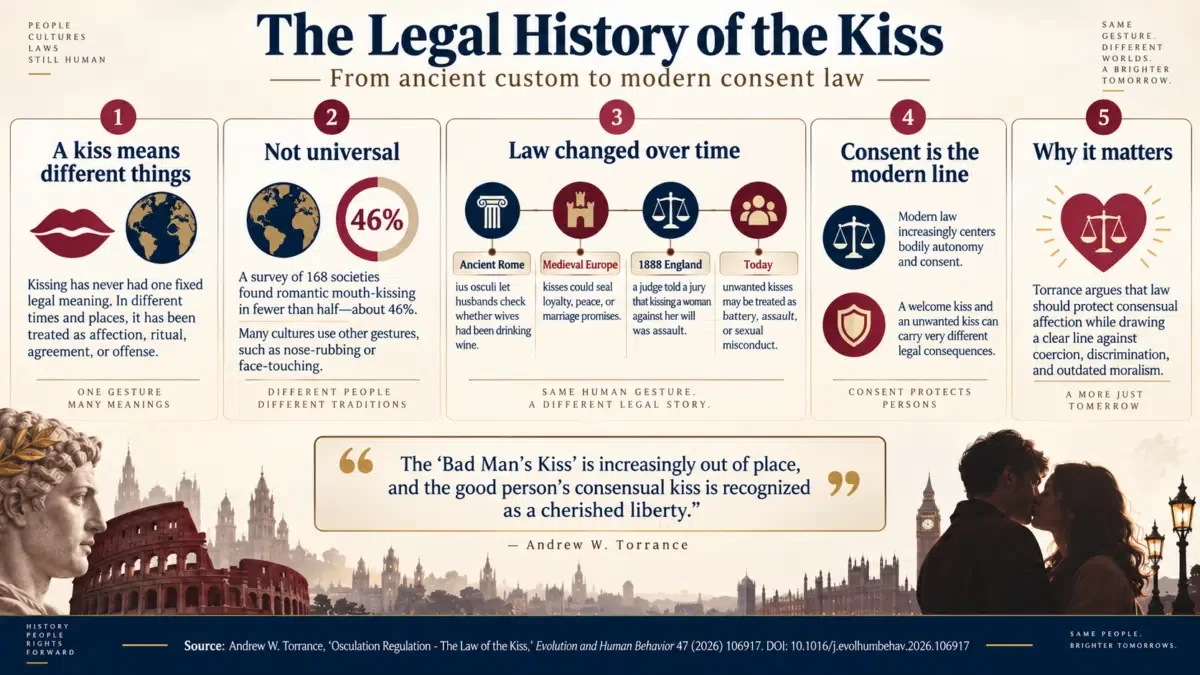
The analysis describes a broader historical movement away from protecting family honor, religious morality or social hierarchy and toward protecting individual autonomy.
That shift can also be seen in the way consensual kissing is regulated. Puritan-era restrictions and later public-decency rules sometimes treated ordinary affection as something the state could police. In some places, public kissing can still create legal problems even when both people consent.
Enforcement has not always fallen equally. Torrance notes that same-sex couples and interracial couples have at times faced punishment or arrest for conduct tolerated when performed by others.
His proposed direction is comparatively simple: wanted affection should generally remain outside government interference, while unwanted intimate contact should be clearly protected against.
That does not require treating every incident as identical. For minor or ambiguous situations, especially those involving cultural misunderstandings, education, apology, mediation or restorative approaches may sometimes be more appropriate than the harshest legal response.
Torrance’s broader argument is that law does more than prohibit conduct. It records what societies value and where they draw boundaries around relationships, dignity and personal freedom.
Viewed across history, the kiss makes those changes unusually visible. The same gesture has been used to demonstrate ownership, seal agreements, express religious or political loyalty, mark affection and commit an unwanted intrusion.
That history also shows why biology alone cannot settle legal questions about intimate behavior. Even if kissing has evolutionary roots, its meanings are filtered through culture, social power and individual choice.
“The law is not just a set of rules that tries to constrict human behavior. It’s also a reflection of human values and how society views a certain behavior,” Torrance said.
His conclusion places consent at the center of that modern value system. The goal is not to regulate affection more aggressively, but to distinguish clearly between affection that is freely shared and contact that crosses someone else’s boundary.
A kiss, in other words, has never been legally “just a kiss.” Its meaning depends on who is involved, what the gesture communicates and, increasingly, whether everyone involved has chosen it.
These resources explore the ancient history, cross-cultural variation, evolutionary theories and modern consent questions that shape how kissing is understood.
Ancient kiss-tory: new perspectives on the evolution of early historical kissing: This analysis examines textual, visual and archaeological evidence for kissing in ancient Mesopotamia and surrounding regions, including its social and legal roles. (Evolution and Human Behavior, 2025)
The evolutionary origin of human kissing: This review evaluates biological explanations for human kissing and proposes that it may preserve the final mouth-contact stage of ancestral primate grooming behavior. (Evolutionary Anthropology, 2024)
Is the Romantic–Sexual Kiss a Near Human Universal?: A cross-cultural analysis of 168 societies found romantic-sexual kissing in 46%, challenging the assumption that the behavior is universal. (American Anthropologist, 2015)
Sexual Assault Victims Face a Penalty for Adjacent Consent: This research examines how prior consent to one intimate act, including kissing, can improperly influence judgments about a later non-consensual act. (Proceedings of the National Academy of Sciences, 2024)
Contract as an Object of People’s Will: This legal analysis uses consent in battery law, including an unwanted-kissing example, to explore how willingness and apparent consent operate in intimate contact and contract doctrine. (The American Journal of Jurisprudence, 2025)
Research findings are available online in the journal Evolution and Human Behavior.
The original story “The law of kissing has changed dramatically across 4,500 years” is published in The Brighter Side of News.
Like these kind of feel good stories? Get The Brighter Side of News’ newsletter.
The post The law of kissing has changed dramatically across 4,500 years appeared first on The Brighter Side of News.


Leave a comment
You must be logged in to post a comment.