A single molecule, suspended at the edge of detectability, could soon help scientists map the structure of life itself. Researchers at the Institute for Quantum Computing at the University of Waterloo have introduced a new sensing method that moves science closer to that goal. Their work shows how a single molecule can act as a quantum sensor, opening a new path for studying proteins and other biomolecules at the smallest scales.
Understanding how molecules behave has long challenged scientists. Proteins, for example, fold into complex shapes that control how they function. These shapes influence everything from cell growth to disease. Yet many current imaging tools require large samples, making it difficult to capture the behavior of a single molecule.
The new approach changes that. Instead of relying on bulk measurements, the research team designed a sensor based on a single molecule. This sensor can detect tiny magnetic signals from nearby atoms, offering a way to study structures one molecule at a time.
Dr. Raffi Budakian, a professor at the University of Waterloo and a lead researcher on the project, described the breakthrough. “Our experiment establishes a new paradigm in nanoscale quantum sensing,” he said. “There are other milestones to reach before we have a sensor sensitive to single molecules, but we know how to get there, and this is a huge demonstration.”

Quantum sensors rely on a property called spin. Each atom behaves like a tiny magnet, producing a faint magnetic field. When atoms sit close together, their fields interact. These interactions carry information about distance and structure.
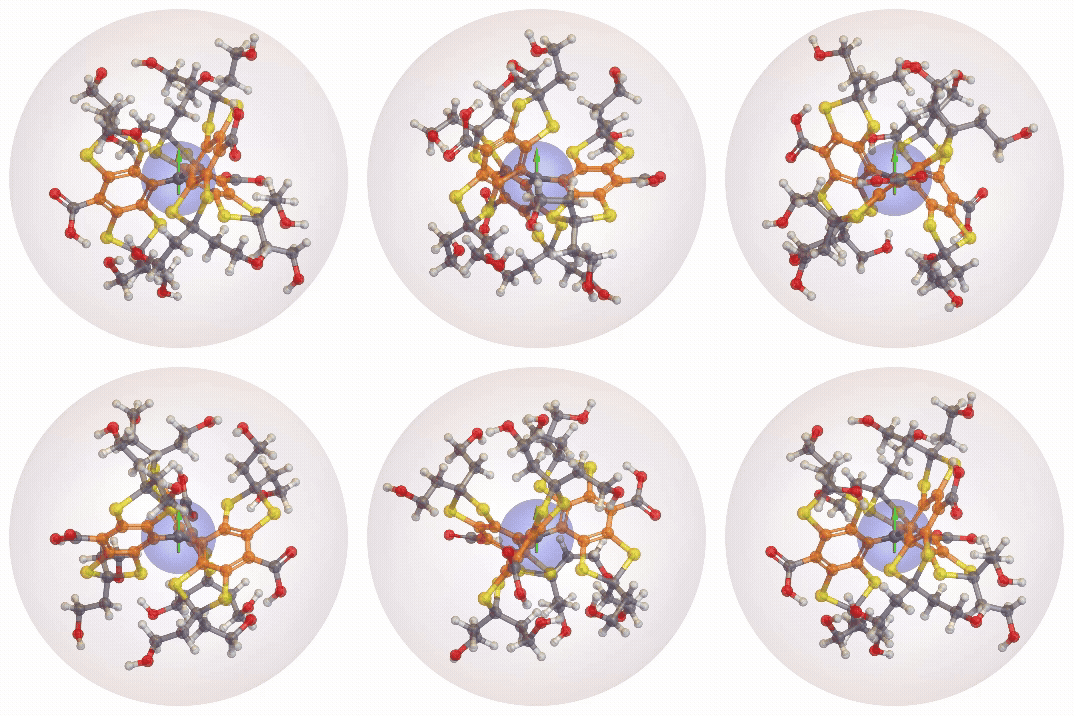
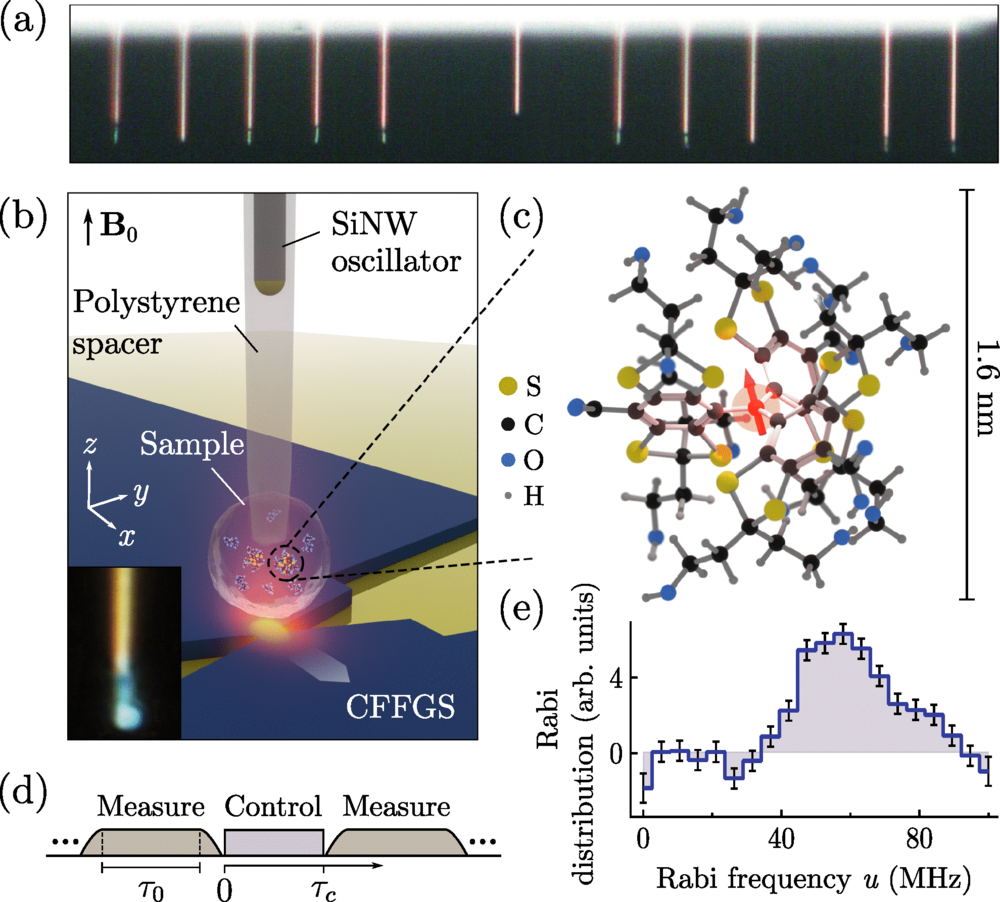
In this study, the team used a special molecule called trityl-OX063. This molecule contains an electron whose spin can be controlled and measured. Because the spin remains stable for long periods, it can act as a precise probe of its surroundings.
The researchers placed this molecule near other atoms and tracked how its spin changed over time. Nearby nuclear spins altered the behavior of the sensor. By measuring these changes, the team could detect the magnetic environment at an extremely small scale.
Unlike traditional sensors, this system does not rely on rigid materials. Instead, it uses a flexible molecular platform that can be positioned close to the target. This proximity improves sensitivity and allows measurements that were previously out of reach.
To read out the signal, the team used a tiny mechanical device. A silicon nanowire, about 100 nanometers wide and 20 microns long, acted as a sensitive probe. This structure moves slightly in response to magnetic forces.
When the molecular sensor interacts with nearby spins, it creates a small force. The nanowire detects this force with high precision. This method, known as mechanical detection, allows researchers to measure signals that would otherwise be too weak to observe.
“Using force detection in quantum sensing is new and opens up a whole new avenue of approaches,” Budakian said. “It brings us closer to mapping single protein structures.”
The ability to combine molecular sensing with mechanical readout marks a key shift. It offers a different route compared to light-based techniques, which often require complex setups and limit how close the sensor can get to the target.
One of the biggest challenges in quantum sensing is keeping the system stable long enough to collect useful data. Quantum states tend to decay quickly due to interactions with the environment. This process, known as decoherence, limits measurement accuracy.
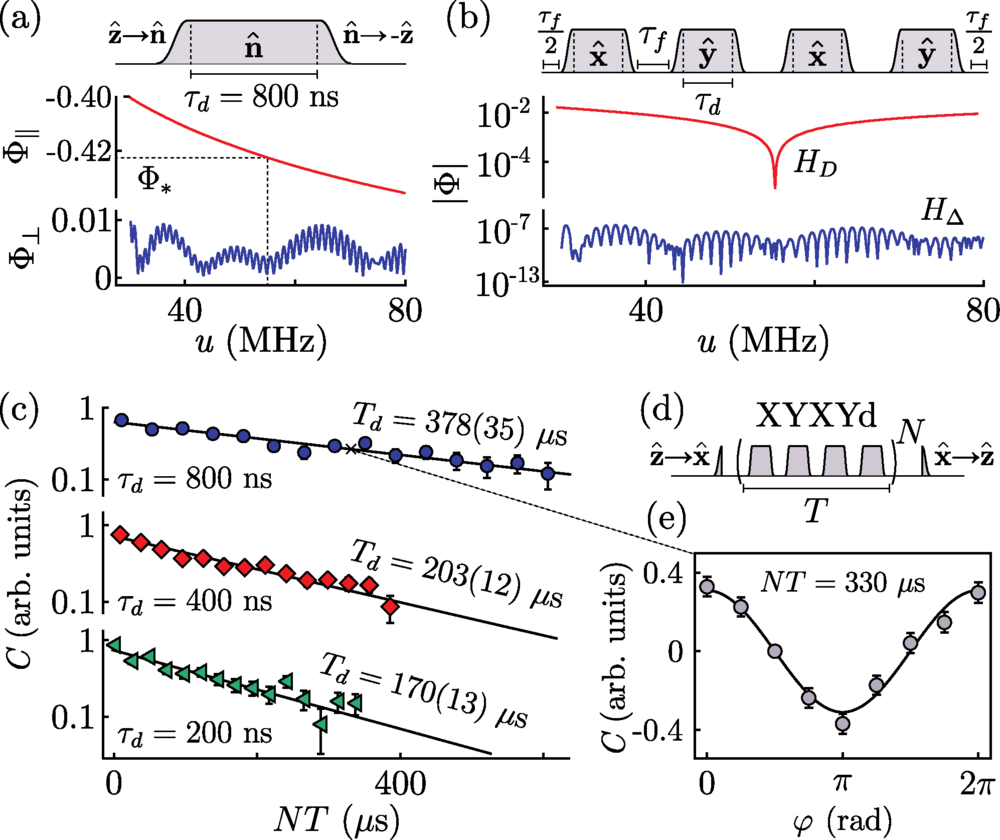
The research team addressed this problem by developing a new control method. This technique helps preserve the sensor’s quantum state for a longer time. As a result, the sensor can gather more detailed information before losing coherence.
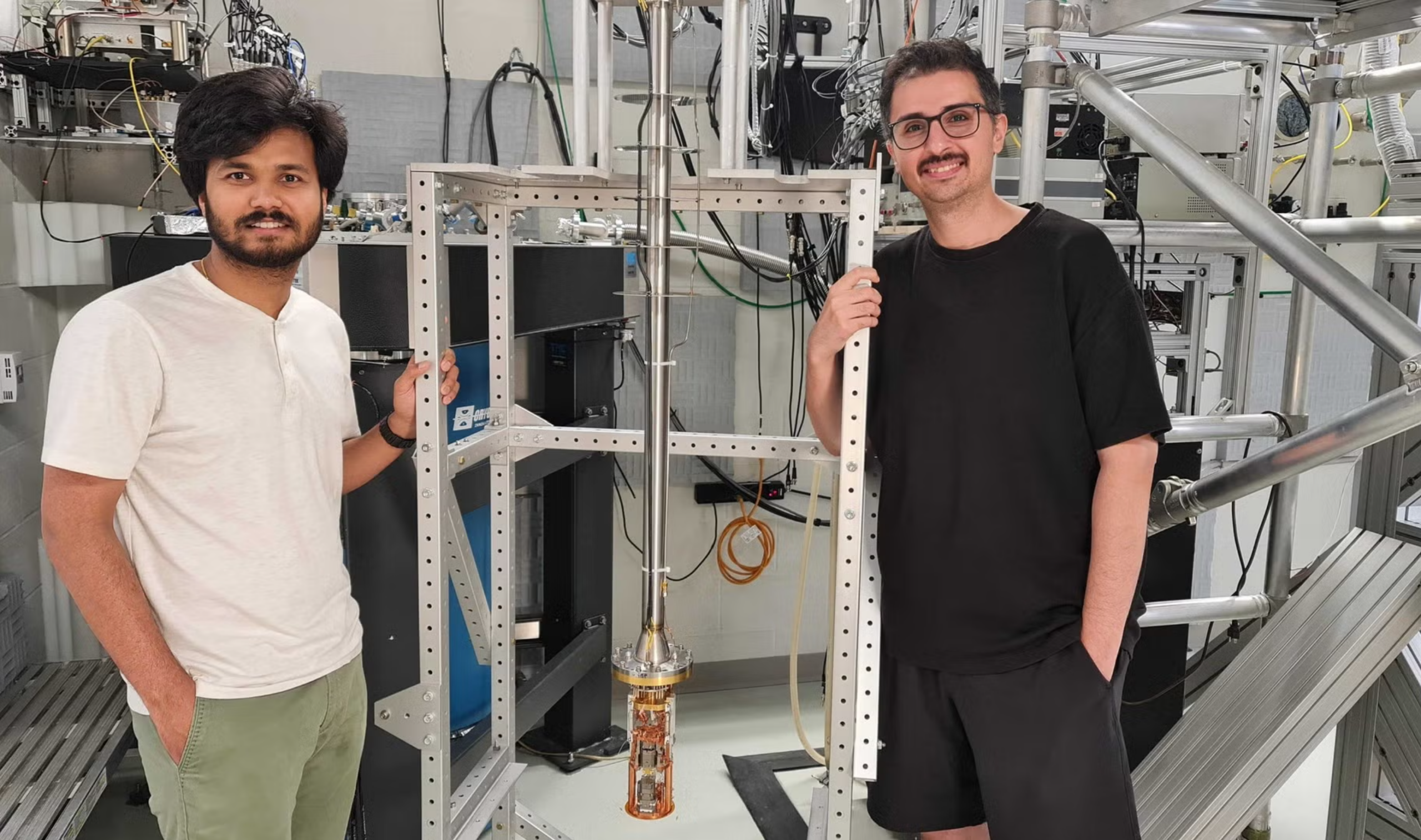
Sahand Tabatabaei, a PhD candidate and first author of the study, explained the improvement. “The new control sequence we developed extended the coherence time to 400 microseconds, so it maintained its quantum state roughly 60 times longer than what is achieved with standard spin-echo techniques in the same system.”
This increase in coherence time allows the sensor to detect weaker signals. It also improves the precision of measurements, bringing the system closer to the goal of single-molecule detection.
For years, scientists have relied on diamond-based quantum sensors. These systems use tiny defects in synthetic diamonds to measure magnetic fields. While effective, they come with limitations. The sensors are fixed within a solid structure, making it difficult to position them close to certain targets.
The new molecular approach offers greater flexibility. Because the sensor is itself a molecule, it can be placed directly near the system being studied. This reduces the distance between sensor and target, which is critical for detecting weak signals.
The method also avoids some of the complexity associated with light-based detection. Instead, it uses mechanical motion to read out information. This simplifies the setup and opens new possibilities for sensor design.
The researchers demonstrated that their system can already detect the magnetic state of about 10 spins. While this is not yet at the level of a single atom, it represents a significant step forward.
The ability to detect small groups of spins has important implications. Proteins and other biomolecules are made up of atoms arranged in specific patterns. By measuring the magnetic interactions between these atoms, scientists can infer the structure of the molecule.
Current imaging methods often average signals over many molecules. This can hide important details about individual behavior. A single-molecule sensor could reveal variations that are otherwise lost.
The new technique offers a path toward that goal. By improving sensitivity and control, researchers hope to eventually map the structure of a single protein. This would provide deeper insight into how biological systems function.
Such knowledge could transform fields like drug discovery. Understanding the exact shape of a protein helps scientists design treatments that interact more effectively with it.
The study represents an early but important step. The researchers have shown that molecular spins can act as reliable quantum sensors. They have also demonstrated a new way to read out signals using mechanical detection.
Challenges remain. The system must become more sensitive and more stable before it can study individual molecules routinely. However, the path forward is clearer than before.
Budakian noted the progress. “We’re not too far away now because of this advancement,” he said.
The work highlights how advances in quantum technology continue to reshape scientific tools. By combining chemistry, physics, and engineering, researchers are building systems that can probe the smallest structures in nature.
These resources explore quantum-sensing principles, molecular probes and earlier magnetic measurements of biological structures.
Quantum sensing: A foundational review explains how quantum systems measure physical quantities and what determines their sensitivity. (Reviews of Modern Physics, 2017)
Quantum sensing of magnetic fields with molecular spins: Experimental research examines molecular spins as probes of magnetic fields using tailored sensing protocols. (npj Quantum Information, 2024)
A quantum sensor for atomic-scale electric and magnetic fields: A molecular spin attached to a scanning probe provides another approach to sensing extremely local fields. (Nature Nanotechnology, 2024)
Nuclear magnetic resonance detection and spectroscopy of single proteins using quantum logic: This study demonstrates single-protein spectroscopy using diamond-based sensors and quantum control. (Science, 2016)
Nanoscale magnetic resonance imaging: Force-detected magnetic resonance produces nanoscale images of virus particles, providing context for mechanical approaches to biological imaging. (Proceedings of the National Academy of Sciences, 2009)
Research findings are available online in the journal Physical Review X.
The original story “Quantum sensor breakthrough could finally map proteins and other biomolecules” is published in The Brighter Side of News.
Like these kind of feel good stories? Get The Brighter Side of News’ newsletter.
The post Quantum sensor breakthrough could finally map proteins and other biomolecules appeared first on The Brighter Side of News.


Leave a comment
You must be logged in to post a comment.