A vast chain of shallow lakes stretches along the Atlantic coast of southern Brazil and Uruguay, forming one of the largest freshwater systems of its kind on Earth. For years, this landscape remained largely overlooked by scientists. New research now suggests that these lakes could become one of the most important natural laboratories for understanding how climate change and human activity reshape freshwater ecosystems.
The study marks the first comprehensive effort to examine the Southern American Coastal Shallow Subtropical Lakes. Researchers say the system offers a rare opportunity to track environmental change in real time, across more than 100 lakes spanning over 1,000 kilometers.
“Most of what we know about lakes comes from the Northern Hemisphere,” said lead author Mariana Kluge of the Swedish University of Agricultural Sciences. The lakes in this region, she explained, provide a chance to study freshwater systems under very different conditions.
The coastal lakes formed thousands of years ago as sea levels rose and fell, leaving behind barriers that trapped freshwater inland. Over time, these basins evolved into long, shallow lakes shaped by wind and climate.
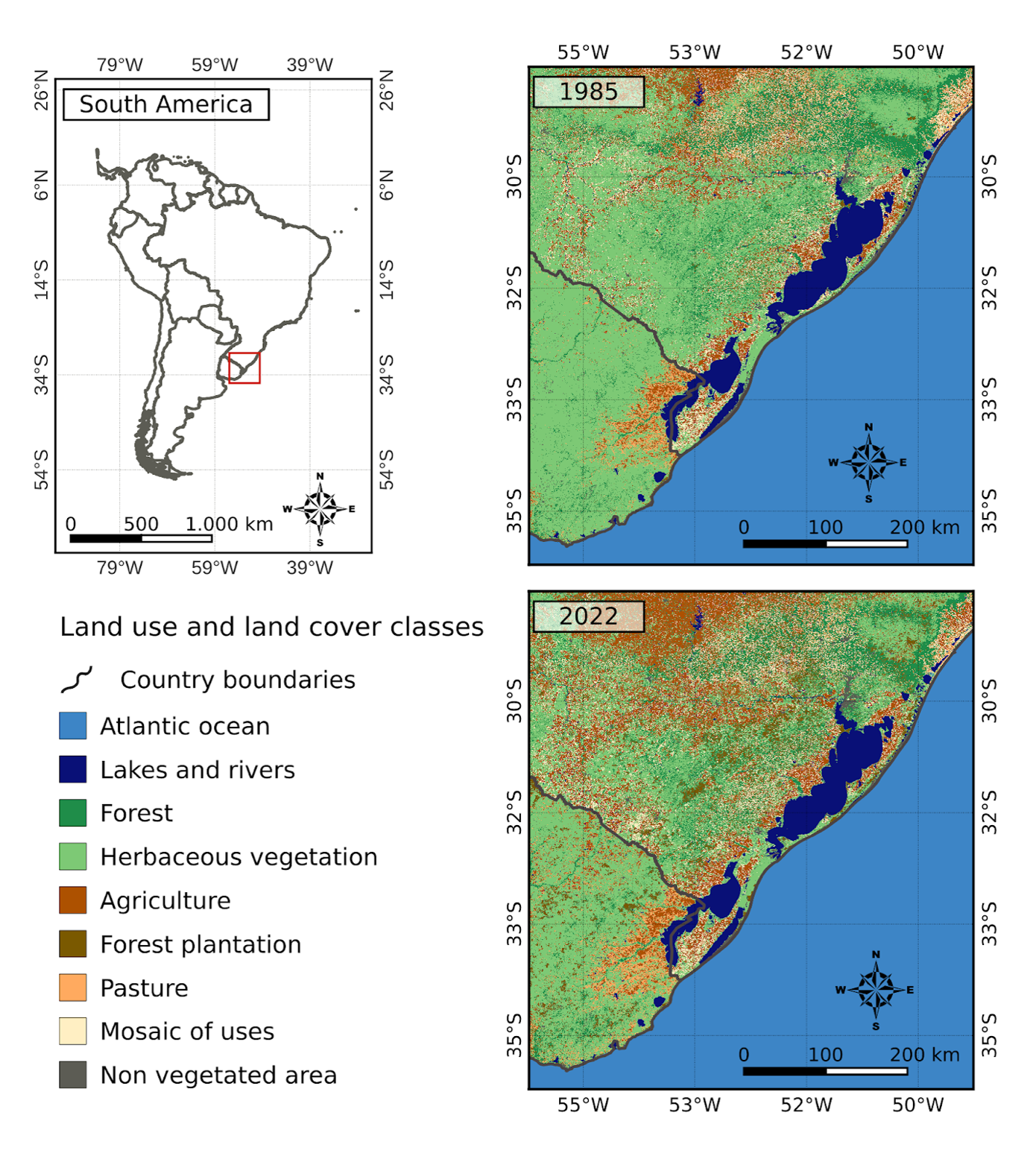
Unlike many coastal systems, these lakes remain mostly fresh. Rainfall, rivers, and underground water sources help prevent saltwater from dominating. This unusual combination of coastal location and freshwater conditions makes the system rare.
The lakes also share another key feature. Their shallow depth allows wind to mix the water constantly. This prevents layering and keeps nutrients and oxygen moving throughout the system.
These natural conditions create a wide range of environments. Some lakes remain clear and low in nutrients. Others have become nutrient-rich due to human influence. This diversity allows scientists to compare ecosystems under different levels of stress.
Human activity has transformed much of the region. Cities, farms, and industries surround many of the lakes. Runoff from agriculture and untreated wastewater has increased nutrient levels in the water.
This process, known as eutrophication, often leads to excessive algae growth. In severe cases, it can reduce oxygen levels and harm aquatic life.
At the same time, new pollutants are entering the system. Researchers have detected microplastics, pharmaceuticals, and other emerging contaminants. In some lakes, microplastic concentrations reach hundreds of particles per 100 cubic meters.
Climate change adds another layer of pressure. The region experiences strong effects from the El Niño Southern Oscillation, which influences rainfall and temperature. Scientists expect precipitation in southern Brazil to rise by about 15 percent in coming decades.
Extreme weather events are already becoming more common. Heavy rainfall can flood entire lake systems, while dry periods may reduce water levels. These rapid shifts place stress on ecosystems that depend on stability.
In May 2024, one of the most severe flooding events in Brazilian history struck the region. Some areas received more than 200 millimeters of rain in a single day. Over ten days, totals exceeded 500 millimeters.
The flooding affected hundreds of municipalities and millions of people. Water levels rose far above normal, spreading across connected lakes. In some areas, floodwaters remained for more than a month.
For scientists, such events provide a rare chance to study how ecosystems respond to sudden change. They also highlight how vulnerable these systems can be.
Despite their importance, subtropical lakes remain underrepresented in global research. Most scientific studies focus on temperate regions in Europe and North America.
This imbalance creates gaps in understanding. For example, large global studies often rely on data from northern lakes. As a result, predictions about carbon cycling or ecosystem responses may not apply to warmer regions.
The South American system helps fill that gap. Its wide range of conditions allows scientists to test ecological theories under different climates and levels of human impact.
Christian Wurzbacher of the Technical University of Munich described these lakes as “sentinel ecosystems.” They act as early warning systems, showing signs of environmental change before damage becomes irreversible.
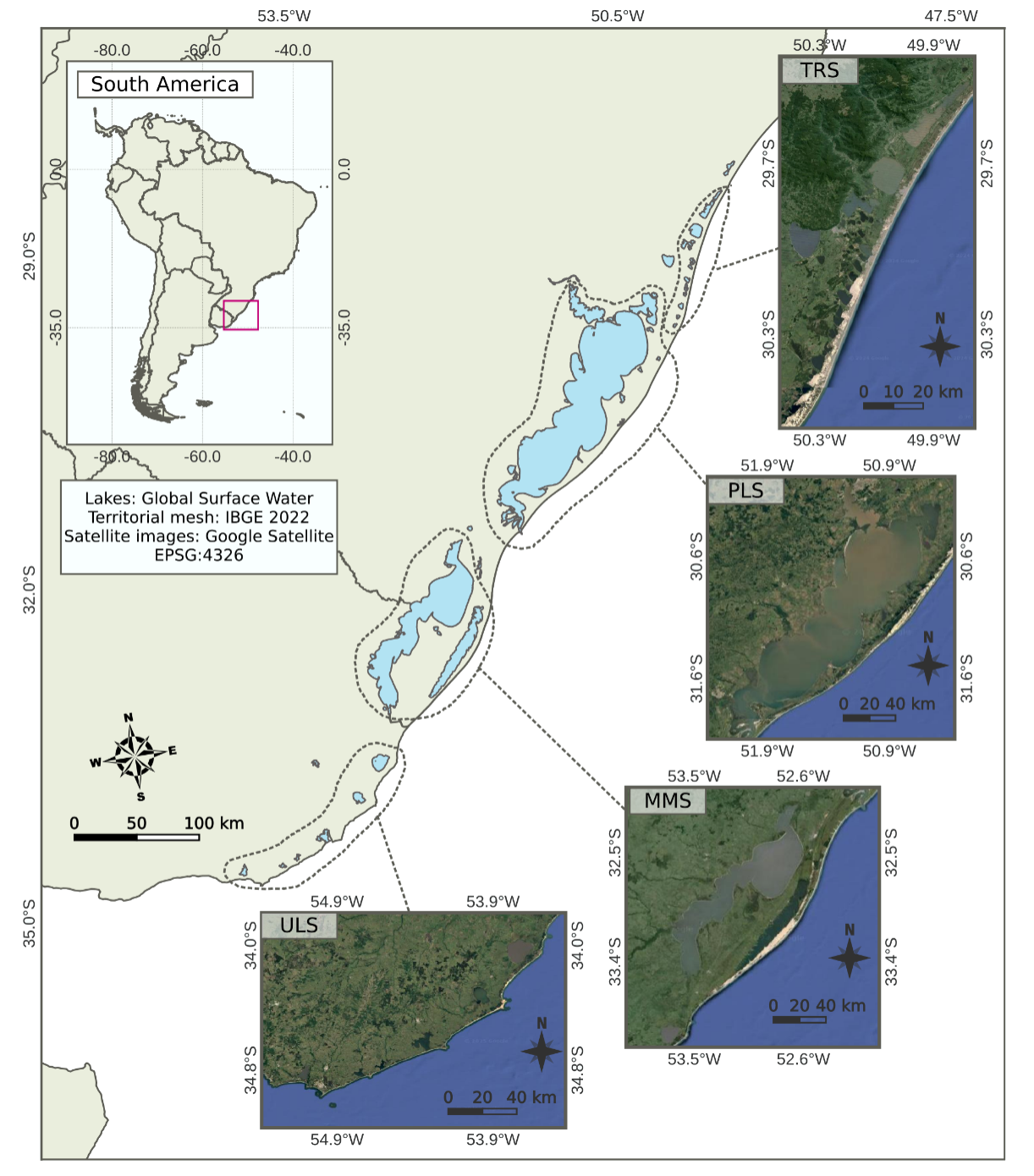
Researchers have identified four key lake regions that capture the system’s diversity.
The Tramandaí River System includes about 40 connected lakes. Rapid urban growth has placed pressure on water quality. In some areas, wastewater treatment remains extremely limited, yet these lakes supply drinking water to local communities.
The Patos Lagoon System contains one of the largest lagoons in the world. It connects to the ocean through a narrow channel and supports major fisheries. However, pollution from nearby cities threatens its health.
The Mangueira-Mirim System includes large lakes shared by Brazil and Uruguay. These lakes support biodiversity and agriculture but face nutrient runoff from farming.
The Uruguayan Lagoon System forms a chain of coastal lagoons that sometimes connect to the ocean. Human intervention often controls these connections to manage flooding, which alters natural processes.
Together, these regions offer a broad view of how freshwater systems respond to different pressures.
One of the most promising areas of research focuses on microorganisms. These tiny organisms respond quickly to changes in their environment.
“Our vision is to establish an internationally coordinated monitoring network,” said Prof. Haig of the Federal University of Rio Grande do Sul. He added that microbial communities can act as sensitive indicators of pollution and ecosystem stress.
Scientists are using tools such as environmental DNA to track biodiversity. This method allows them to detect species by analyzing genetic material in water samples.
Remote sensing also plays a growing role. Satellites can monitor temperature changes and detect algal blooms across large areas. These tools make it possible to observe patterns that would otherwise go unnoticed.
The research team has outlined a plan for long-term monitoring of the lake system. Their goal is to create a coordinated international effort that combines multiple scientific approaches.
This includes measuring water chemistry, tracking pollutants, and studying biological communities. Researchers also want to improve models that predict how lakes respond to climate and human activity.
The plan emerged from an international workshop held in Porto Alegre. Scientists from Brazil, Uruguay, Germany, and Sweden worked together to define priorities.
They emphasized the need for collaboration. Many lakes cross national borders, making shared management essential.
The lakes mirror challenges faced around the globe. They show how climate change, pollution, and human development interact in complex ways.
Mike Stukel, chair of the Department of Earth, Ocean, and Atmospheric Science at Florida State University, said environmental change rarely results from a single cause. Instead, multiple factors combine to shape outcomes.
This complexity makes the lake system especially valuable for research. It allows scientists to study how different forces interact over time.
The findings have far-reaching implications for both science and society. By studying these lakes, researchers can develop better tools to detect environmental stress early. This could help prevent irreversible damage to freshwater systems.
The work also supports improved water management. Many communities depend on these lakes for drinking water, fishing, and agriculture. Understanding how pollution and climate change affect water quality can guide policies that protect these resources.
Globally, the research helps fill a critical gap in knowledge. Insights from subtropical lakes can improve climate models and inform conservation strategies in similar regions.
The study also highlights the importance of international cooperation. Environmental challenges do not stop at borders, and shared solutions will be essential.
In the long term, these lakes could help scientists understand how ecosystems adapt to rapid change. That knowledge may prove vital as climate pressures continue to grow.
These studies examine how warming, changing mixing patterns, extreme heat and new monitoring technologies are transforming scientists’ understanding of freshwater ecosystems worldwide.
Worldwide alteration of lake mixing regimes in response to climate change: Models hundreds of lakes worldwide and shows that warming can change how frequently lakes mix, with major implications for oxygen, nutrients and aquatic ecosystems. (Nature Geoscience, 2019)
Global lake thermal regions shift under climate change: Uses satellite observations and climate projections to classify global lake temperature regimes and estimate how strongly those regions could shift as the climate warms. (Nature Communications, 2020)
Lake heatwaves under climate change: Finds that extreme lake-temperature events are projected to become substantially hotter and longer, providing context for the growing climate pressures facing freshwater ecosystems. (Nature, 2021)
Environmental DNA study on aquatic ecosystem monitoring and management: Recent advances and prospects: Reviews the growing use of environmental DNA for biodiversity monitoring, rare-species detection and aquatic ecosystem management. (Journal of Environmental Management, 2022)
Global lakes are warming slower than surface air temperature due to accelerated evaporation: Analyzes more than 92,000 lakes and shows how radiation, humidity and evaporation influence worldwide lake-temperature changes. (Nature Water, 2023)
Research findings are available online in the journal One Ecosystem.
The original story “South American coastal lakes could transform climate change research” is published in The Brighter Side of News.
Like these kind of feel good stories? Get The Brighter Side of News’ newsletter.
The post South American coastal lakes could transform climate change research appeared first on The Brighter Side of News.


Leave a comment
You must be logged in to post a comment.