A shingles shot given around the time of a skilled nursing facility stay may be tied to something larger than protection from a painful rash. In a large U.S. analysis, older adults who received Shingrix were less likely to be diagnosed with dementia over the next four years, a finding that adds weight to a growing and still unsettled idea.
The study followed more than 500,000 adults ages 66 and older who were admitted to skilled nursing facilities between 2017 and 2022 for short-term rehabilitation or long-term care. All were eligible for the recombinant shingles vaccine, known as RZV or Shingrix, and none had a prior dementia diagnosis when they entered the study.
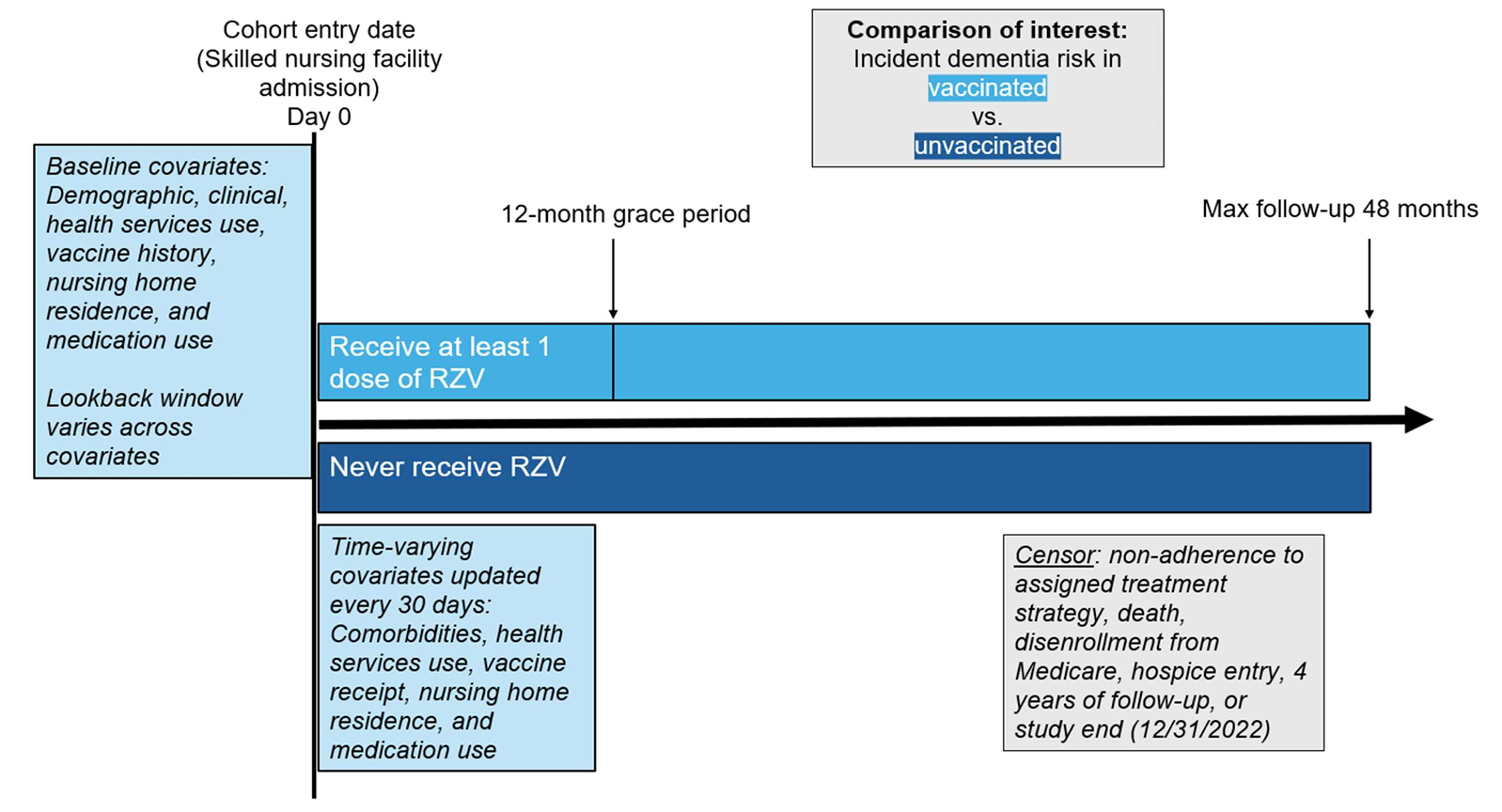
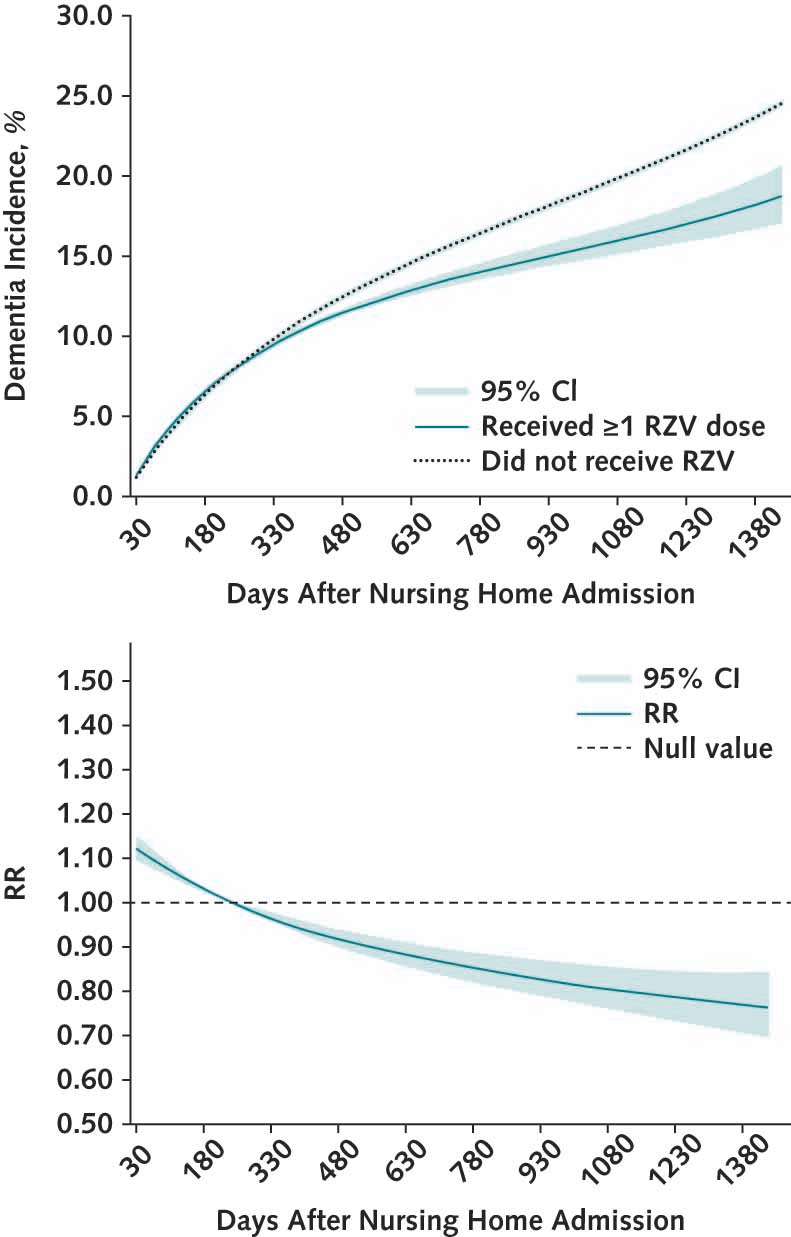
Researchers compared people who received at least one dose of Shingrix during their facility stay or within 12 months after admission with those who did not get the vaccine during that period or during follow-up. Over four years, 18.8% of vaccinated adults were diagnosed with dementia, compared with 24.6% of those who were not vaccinated.
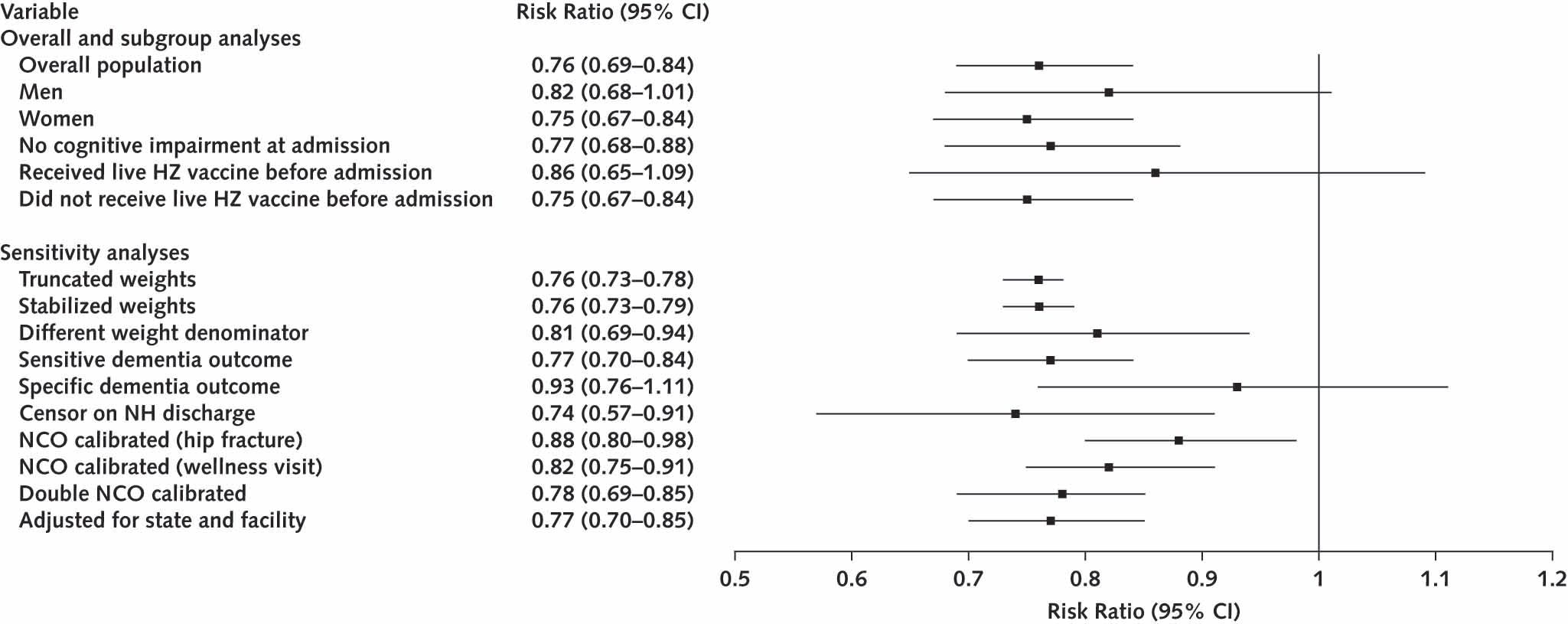
That worked out to a 24% lower relative risk, and an absolute difference of about 5.8 percentage points after statistical adjustment.
The result matters partly because Shingrix is the current shingles vaccine used in the United States. Earlier studies have linked an older shingles vaccine to lower dementia risk, but that vaccine is no longer on the market. This new analysis focused only on the newer version and on a group of older adults with especially high medical needs.
“A lot of previous studies with similar results focused on an older vaccine,” said study author Kaley Hayes, an assistant professor at Brown University’s School of Public Health. “This study looks at the newest vaccine only in an older, vulnerable adult population who were not up to date with shingles vaccination and are at a very clear clinical point in care: entering a skilled nursing facility.”
Hayes led the study, published in Annals of Internal Medicine, with colleagues from Brown, the University of Delaware, the Providence Veterans Affairs Medical Center and other institutions.
The team used a target trial emulation, a method designed to make observational data behave more like a randomized clinical trial when an actual trial is not practical. They drew on Medicare claims and electronic health record data from 5,550 skilled nursing facilities across the country.
Among the 509,926 participants, just 8,843 received at least one dose of Shingrix within 12 months of admission. Most of those vaccinations, 87%, happened after discharge rather than inside the facility itself.
The findings fit with earlier work suggesting shingles vaccination could have benefits beyond preventing herpes zoster, the painful condition caused by reactivation of the varicella-zoster virus. Shingles has been linked in several studies to a higher risk of dementia, which has led scientists to ask whether blocking or reducing that infection could also lower later brain-related harm.
“It fits into this large puzzle that’s just starting to come together that the vaccines are effective at preventing shingles and also appear to have neuroprotective benefits as well,” Hayes said.
Still, the study does not prove that the vaccine itself caused the lower dementia risk.
People who got vaccinated were, on average, slightly younger and somewhat healthier than those who did not. They had fewer medical conditions, used fewer health services, and were more likely to have received other vaccines. The researchers adjusted for many of those differences, including factors that changed over time, and the association remained.
Even so, the authors were careful about the limits. Their negative control analyses suggested that some “healthy vaccinee bias” probably remained. In plain terms, people who get vaccinated may differ from those who do not in ways that are hard to fully measure, and those differences can make a vaccine look more protective than it really is.
When the team applied its most conservative correction for that issue, the protective association weakened but did not disappear. In that analysis, vaccination was still linked to a 12% lower relative risk of dementia.
The paper’s main estimate suggests about one fewer dementia case for every 17 older adults in this setting who received the vaccine. That is a striking number, especially in a population already vulnerable to both shingles and cognitive decline.
But there are important cautions.
The vaccine and dementia measures were not perfect. The researchers relied on claims data and medical records, not direct cognitive testing. Follow-up time was also limited because Shingrix was approved in 2017. And because many residents left the facility quickly, often within a few weeks, much of the relevant care happened after discharge.
The study also found that vaccinated participants had a lower risk of death during follow-up. That matters because death can complicate dementia estimates: someone who dies earlier may never live long enough to be diagnosed.
Even with those complications, the overall pattern held across multiple analyses. The effect was somewhat weaker in men than in women, and weaker among people who had previously received the older live shingles vaccine. Among participants with no evidence of cognitive impairment when they entered the facility, the association looked broadly similar.
The low vaccine uptake may be one of the study’s most practical findings. Only about 2% of the eligible participants received Shingrix during the study window. That could reflect cost, logistics, coordination after discharge, vaccine hesitancy, or other barriers.
“Our cognition is so tied to our overall health and what happens to us physically,” Hayes said. “It’s really amazing to see that something that’s supposed to prevent a physical ailment can also help keep our brain healthy, too.”
The study does not show that Shingrix prevents dementia, and the authors say a randomized trial would be the strongest next step. But it does point to skilled nursing facility admission as a real clinical opportunity.
For older adults entering post-acute or long-term care, that moment may be one of the clearest times to review vaccine status, discuss shingles protection, and consider whether a missed routine shot could matter for more than one reason.
At minimum, the findings support better attention to shingles vaccination in a population at high risk of both infection and cognitive decline. If future trials confirm the effect, a standard adult vaccine could become part of a broader strategy to protect brain health as well as physical health.
Research findings are available online in the journal Annals of Internal Medicine.
The original story “Shingles vaccine linked to lower dementia risk, study finds” is published in The Brighter Side of News.
Like these kind of feel good stories? Get The Brighter Side of News’ newsletter.
The post Shingles vaccine linked to lower dementia risk, study finds appeared first on The Brighter Side of News.


Leave a comment
You must be logged in to post a comment.