A familiar challenge follows many stroke survivors long after the emergency has passed. The ability to move an arm, reach for an object, or complete simple daily tasks can remain limited for years. Now, a new study suggests that a simple, game-based therapy may help restore lost movement in a way that feels both engaging and effective.
Researchers at Northwestern University have developed a retro-style video game paired with a wearable device to help retrain arm movement. The results show that this approach can significantly improve function, even in people who experienced a stroke many years earlier.
Participants used the system mostly at home. This allowed them to practice far more than traditional therapy programs. The increased repetition appears to be a key factor in their recovery.
Stroke remains one of the leading causes of long-term disability. Many survivors continue to struggle with arm movement months or even years later.
Traditional rehabilitation often focuses on completing tasks, such as picking up objects. While helpful, this approach can lead people to compensate with other parts of the body instead of improving the arm itself.
Dr. Marc Slutzky, a professor of neurology and neuroscience at Northwestern University Feinberg School of Medicine, said the new method takes a different path. “Here we’re doing something different,” Slutzky said. “We’re treating the impairment directly and measuring how much the actual arm improved in addition to performing certain functions.”
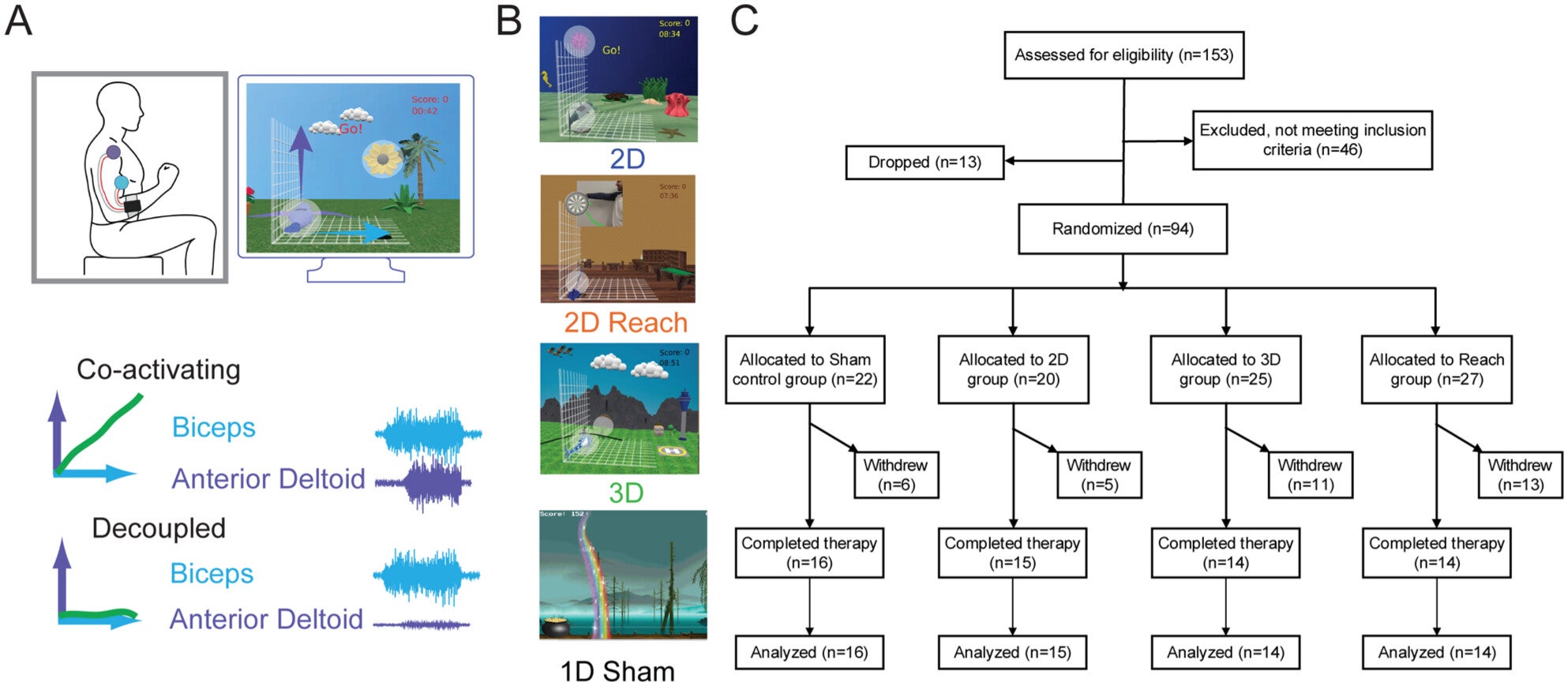
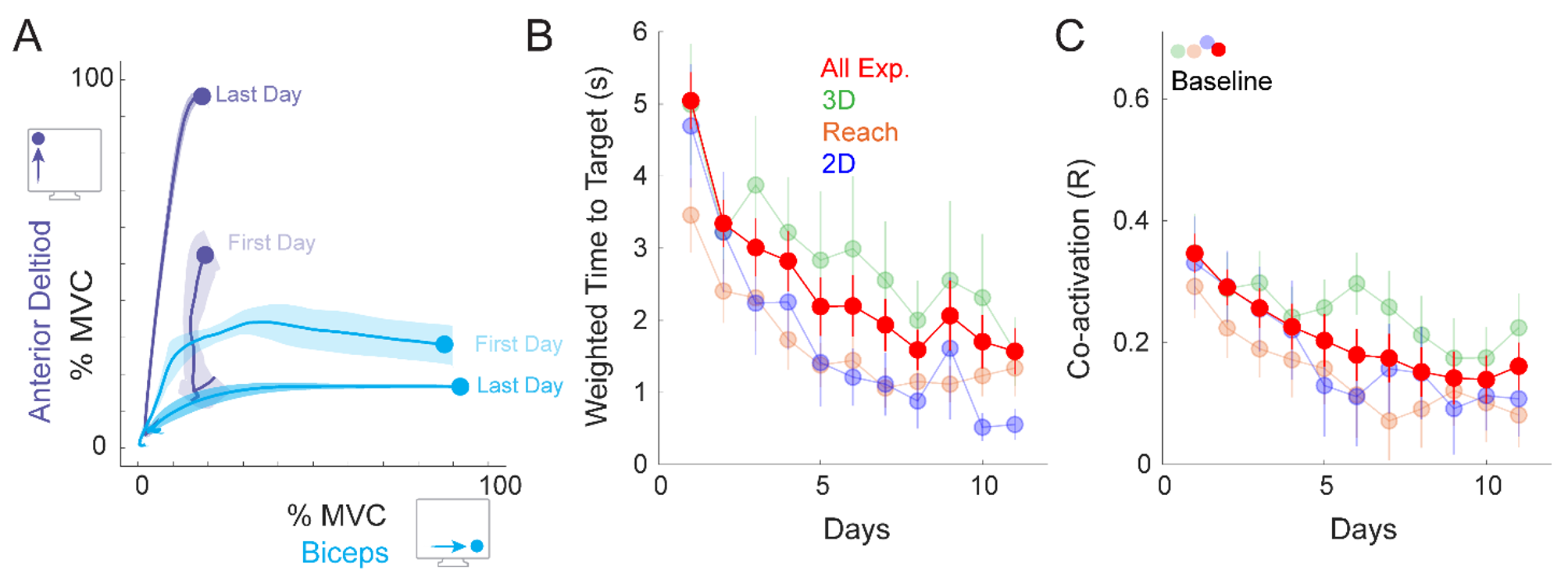
The therapy targets a specific problem known as abnormal muscle coupling. After a stroke, muscles that should work independently often activate together. This makes smooth movement difficult.
The system, called myoelectric interface for neurorehabilitation conditioning, uses small sensors placed on the arm. These sensors measure electrical signals from muscles.
Participants connect the device to a laptop and play a simple video game. In one example, they guide a helicopter across the screen to hit targets.
Each muscle controls a different direction. For instance, one muscle moves the cursor sideways, while another moves it upward.
When muscles fire together, the cursor moves diagonally. To succeed in the game, participants must learn to activate muscles separately.
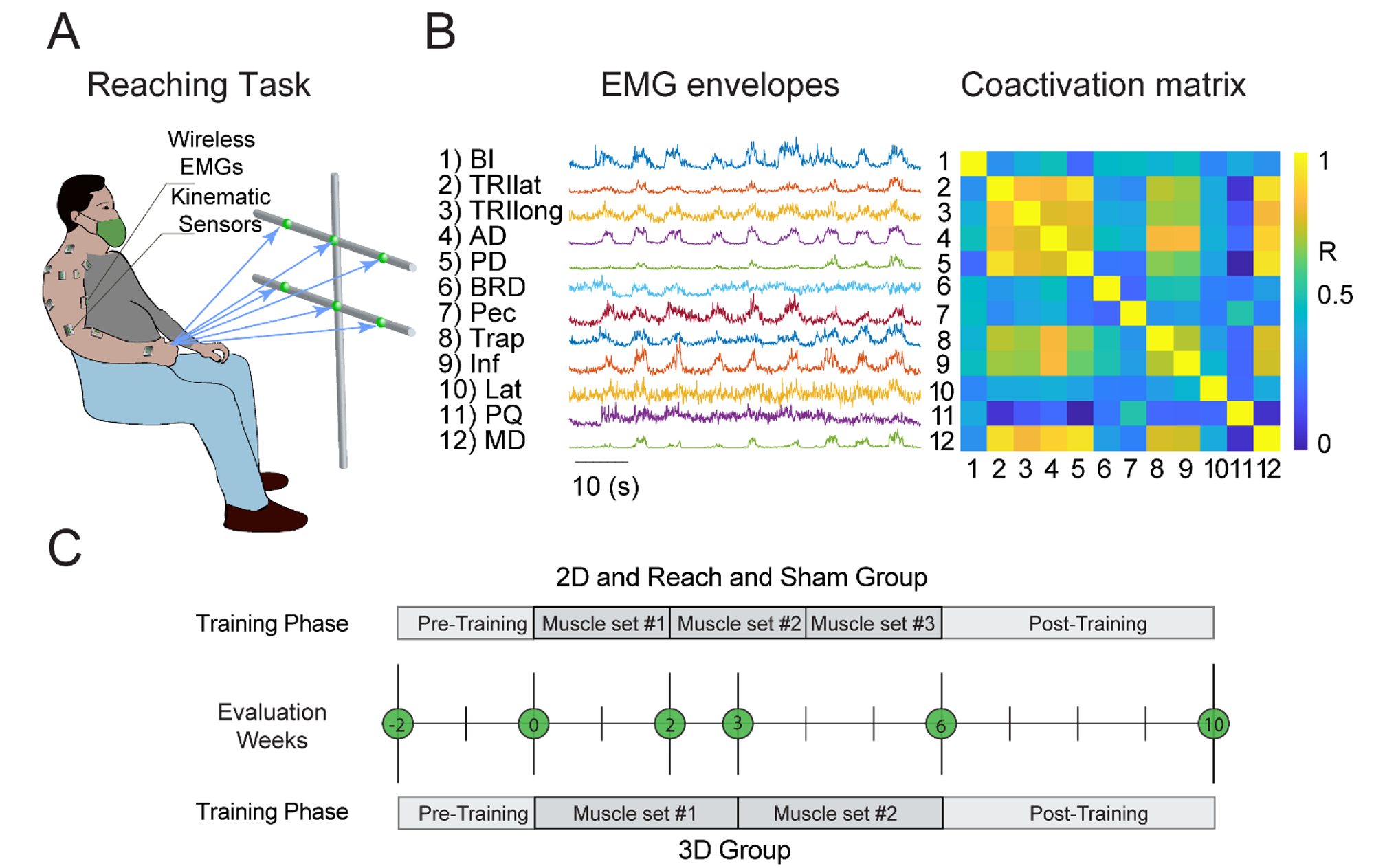
“We have them hit targets that are farther and farther away from that diagonal until they have to separate their muscles,” Slutzky said.
As players improve, their movements become more precise. The game rewards this progress with higher scores, creating a sense of achievement.
The study included 59 stroke survivors with moderate to severe arm impairment. On average, participants were more than six years past their stroke. Some were as many as 12 years removed.
Participants trained for six weeks. They played the game for 90 minutes a day, five days a week at home, plus one day in the lab.
This schedule led to a dramatic increase in practice. Participants completed more than 300 repetitions per day. In contrast, standard therapy often involves about 30 repetitions per session, three times a week.
The difference in intensity may explain the strong results.
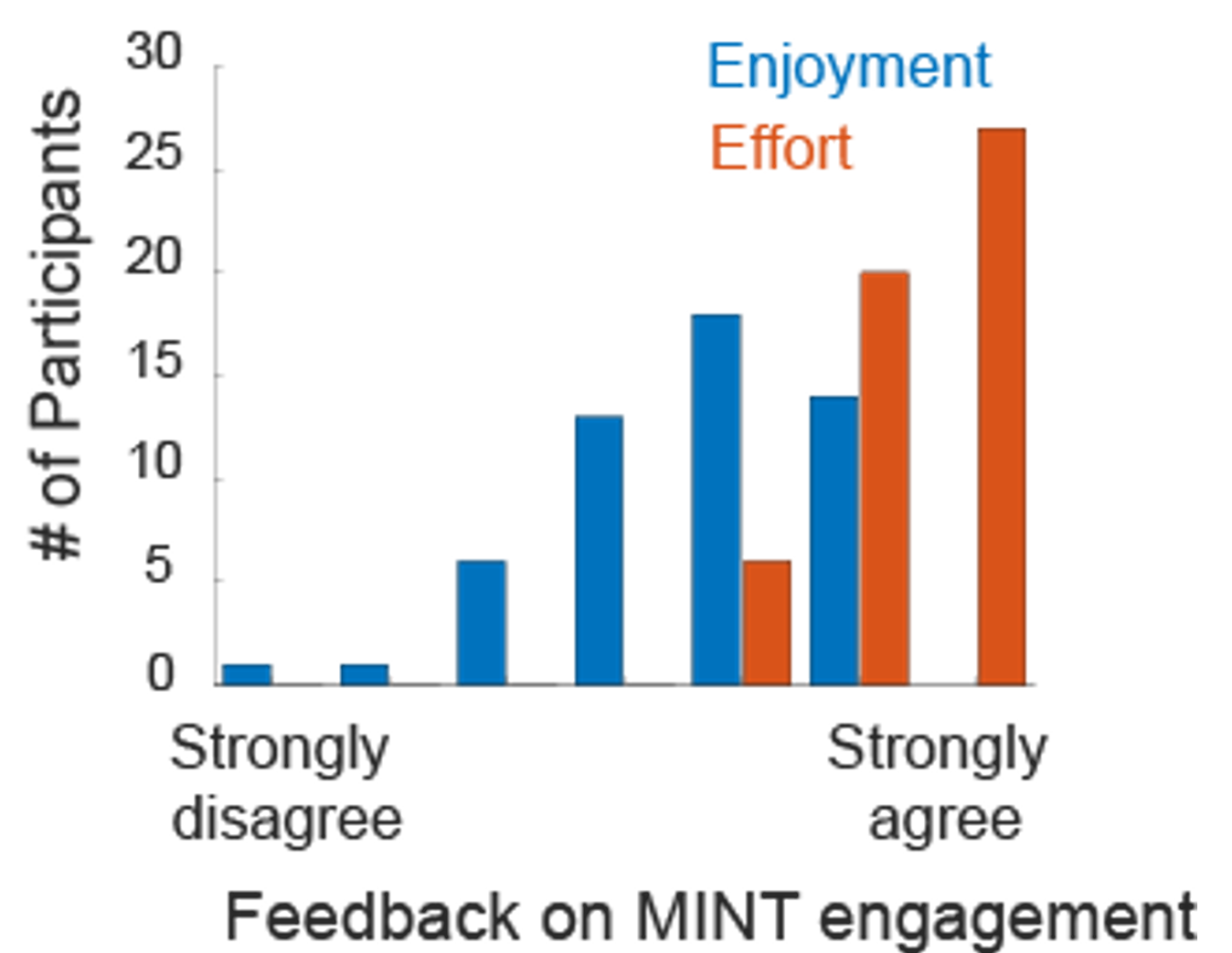
Participants also reported high levels of engagement. One wrote, “the whole experience was enjoyable and helpful.” Another said, “Definitely I benefitted from the game, both physically and mentally.”
Researchers divided participants into three experimental groups and one control group. Each group followed a slightly different training approach.
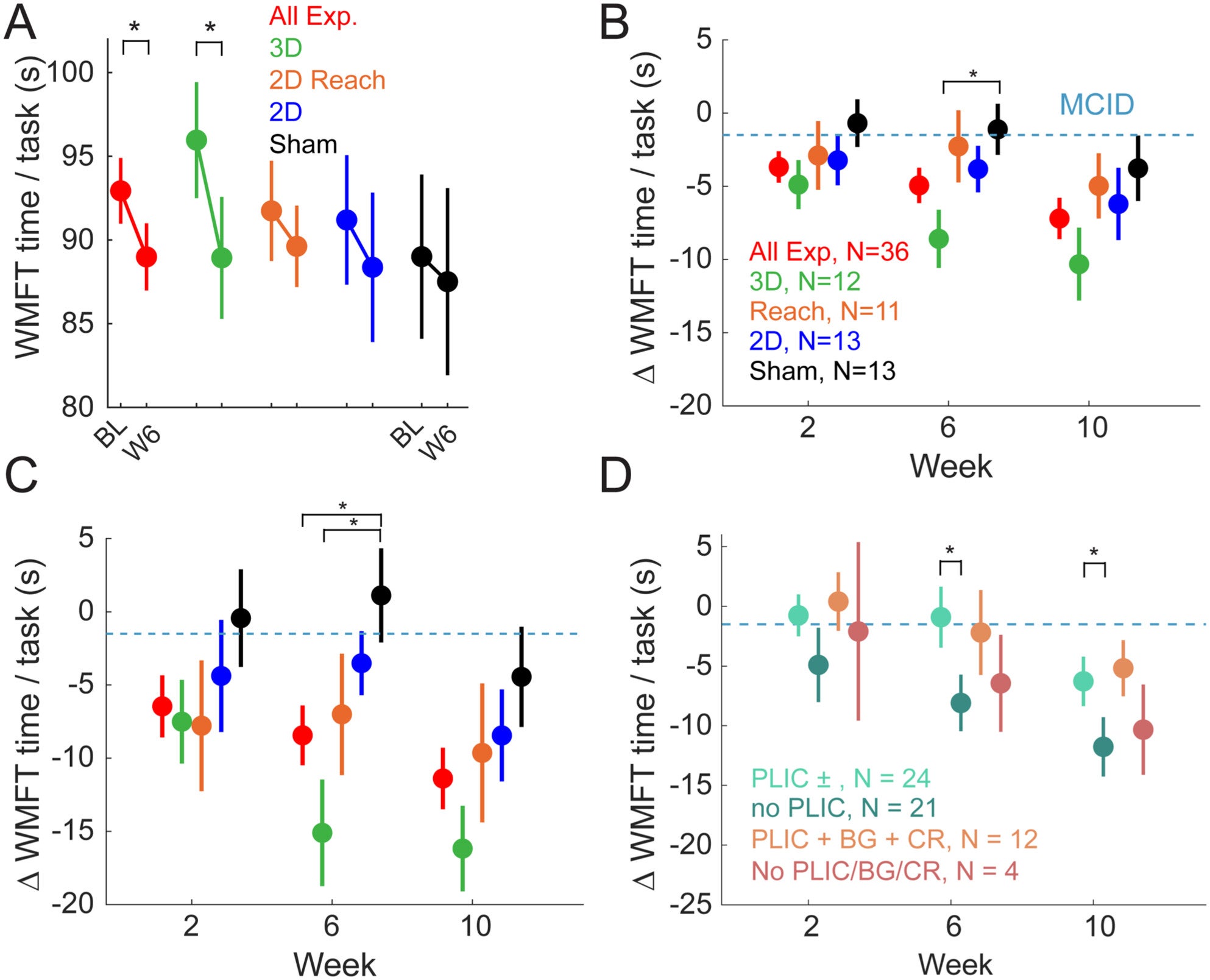
All groups improved over time, including the control group. However, the experimental groups showed much greater gains.
On average, experimental participants improved 4.5 times more than the control group. The most advanced training group improved up to 7.8 times more.
Scientists measured these changes using the Wolf Motor Function Test, which evaluates how quickly and effectively people can perform everyday tasks.
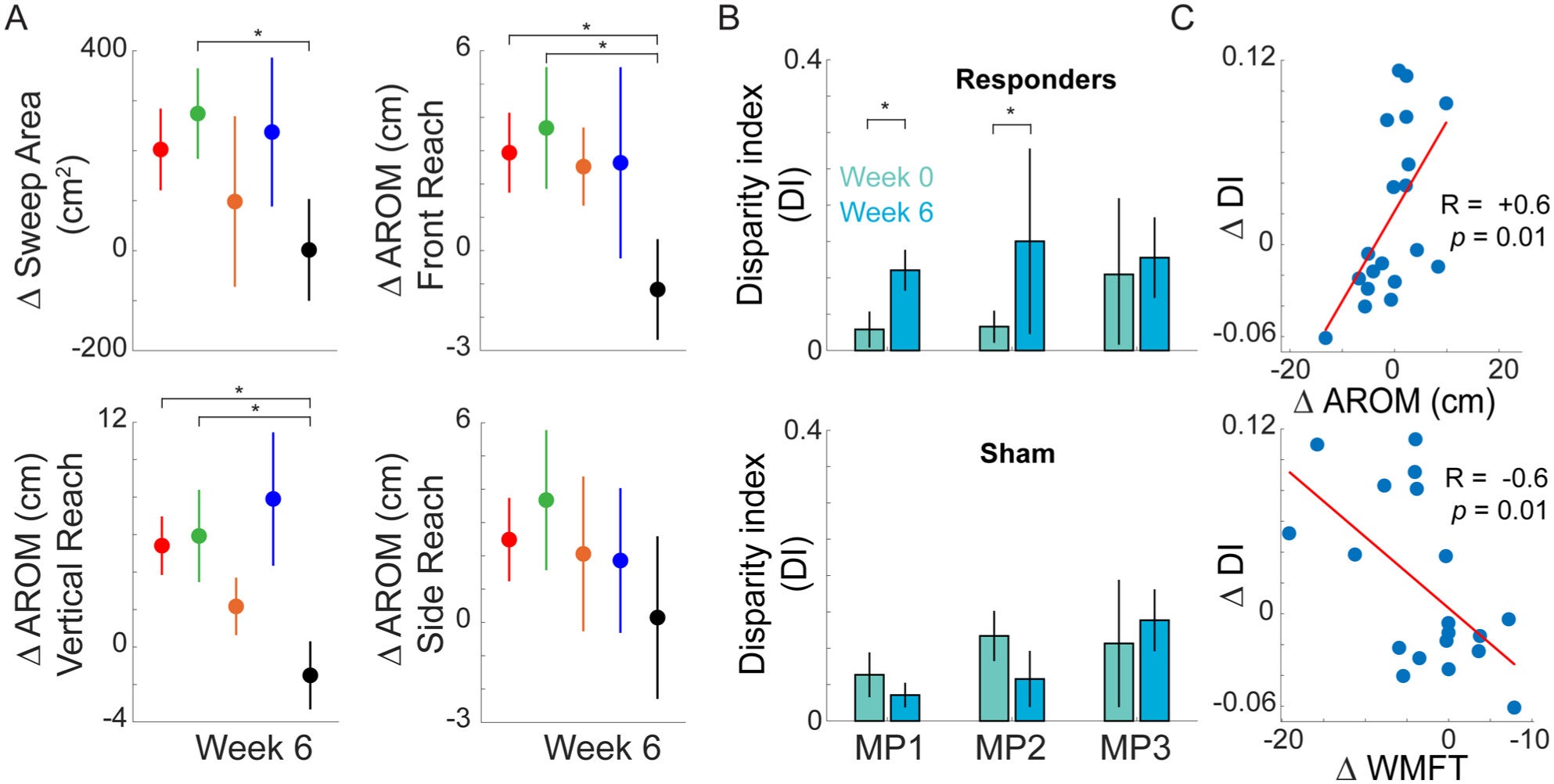
Participants in the experimental groups completed tasks faster and showed greater range of motion. They could reach farther and move more smoothly.
These changes suggest real improvements in daily function, not just performance within the game.
One of the most striking findings came after the therapy ended. Participants continued to improve even one month later.
This suggests that the training may trigger lasting changes in how the brain and muscles work together.
“We’ve been working on this approach to stroke rehab for 15 years, so hearing participants report they’re regaining movement in their arm and that it’s really helping them in their daily life is so rewarding,” Slutzky said.
The link between reduced muscle coupling and improved movement was clear. Participants who showed the greatest separation between muscles also showed the largest functional gains.
After a stroke, the brain sends mixed signals to muscles. This leads to stiff, uncoordinated movement.
The game-based system helps retrain these signals. By forcing muscles to act independently, it encourages the brain to rebuild clearer communication pathways.
This process requires repetition. The home-based design makes it possible to practice more often without traveling to a clinic.
The game format also helps maintain motivation. Participants stay engaged because the activity feels less like therapy and more like play.
Another advantage of the system is accessibility. Many stroke survivors face barriers to traditional rehabilitation, including cost, travel, and time.
A home-based approach could help bridge this gap. Most participants were able to use the system with minimal assistance.
Researchers are now working to improve the technology. They plan to make the wearable device fully wireless and develop more engaging games.
The team is also exploring whether the same approach can help restore movement in the legs.
John A. Rogers, a leader in bioelectronics, is collaborating on the next phase of development.
While the results are promising, the study had limitations. The sample size was relatively small, and not all participants improved equally.
Some individuals may respond better depending on the severity and location of their stroke.
Researchers plan to conduct larger trials to confirm the findings and identify which patients benefit most.
They also aim to simplify the system to make it easier for people with limited technical experience.
The study highlights a shift in how rehabilitation can be delivered. Instead of focusing only on tasks, it targets the underlying problem in muscle coordination.
The combination of high repetition, home access, and engaging gameplay creates a powerful tool for recovery.
For many participants, the therapy offered more than physical improvement. It restored a sense of progress and control.
This research suggests that stroke rehabilitation can move beyond traditional clinic settings. A home-based, game-driven approach may allow more people to access consistent and intensive therapy.
By increasing the number of repetitions, patients can retrain their muscles more effectively. This could lead to faster and more meaningful recovery.
The findings also highlight the importance of targeting muscle coordination directly. Future therapies may focus more on how the brain controls movement, rather than only on strength or task completion.
For healthcare systems, this approach could reduce costs and improve access. Patients who cannot attend regular therapy sessions may still receive effective treatment at home.
In research, the study opens new directions. Scientists may explore similar systems for other conditions, including spinal injuries or movement disorders.
Ultimately, the work shows that recovery is possible even years after a stroke. With the right tools, patients can continue to improve and regain independence.
Research findings are available online in the journal Neurorehabilitation and Neural Repair.
The original story “Retro video game therapy helps stroke survivors regain arm movement” is published in The Brighter Side of News.
Like these kind of feel good stories? Get The Brighter Side of News’ newsletter.
The post Retro video game therapy helps stroke survivors regain arm movement appeared first on The Brighter Side of News.


Leave a comment
You must be logged in to post a comment.