For decades, one idea has shaped discussions about human evolution and birth: humans endure unusually difficult childbirth because large-brained babies must pass through a relatively narrow pelvis adapted for upright walking. The concept became so influential that it earned a name of its own, the “obstetrical dilemma.”
A new study suggests the story is not quite so simple. Researchers led by University College London report that humans are not alone in experiencing a tight fit between a newborn’s head and the mother’s birth canal. In fact, several small-bodied primates appear to face an even more constrained passage during birth. The findings point to a broader range of childbirth challenges across the primate family than previously recognized.
The work revisits a question that has occupied anthropologists for generations: is difficult birth uniquely human, or have scientists been looking at the problem through a human-centered lens? According to the research team, some of the evidence used in earlier comparisons may have overlooked important differences in anatomy among species.
“Much of the data that informed earlier studies was flawed. It had been collected in a human-centric way that failed to consider the anatomy of other species,” said co-corresponding author Dr. Nicole Torres Tamayo of UCL Anthropology.
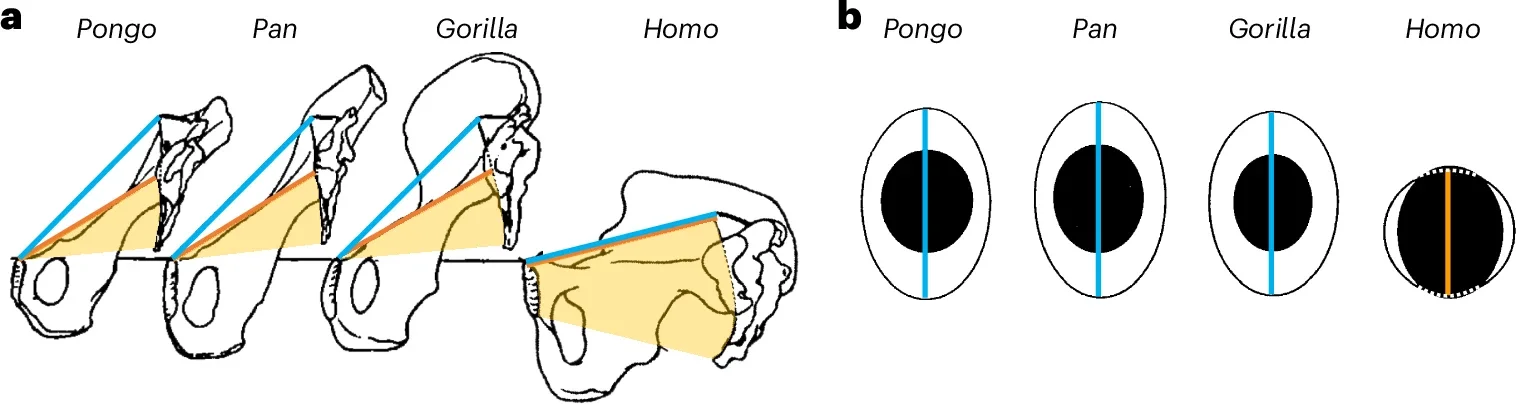
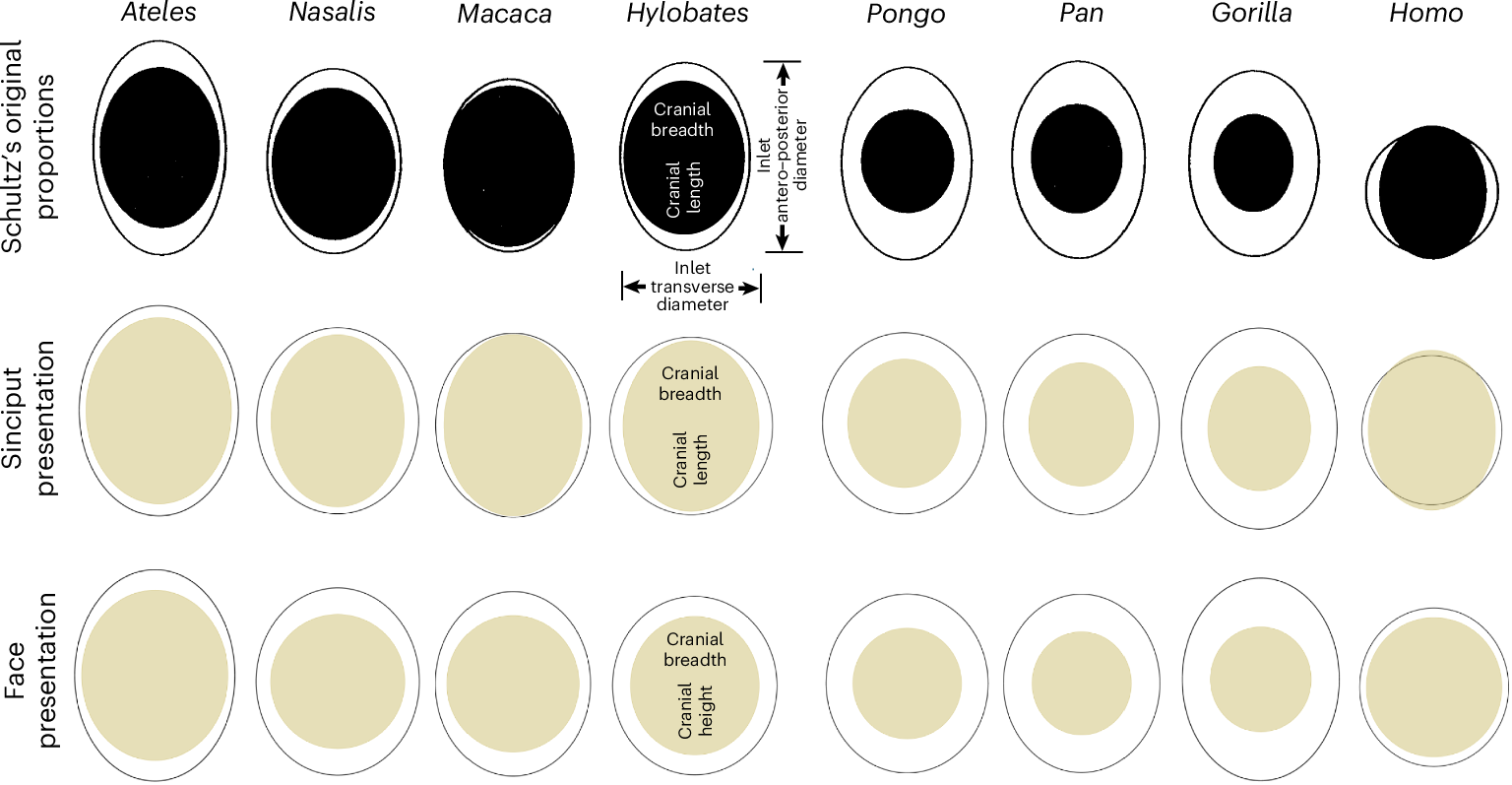
Earlier studies often compared primates using measurements developed around human childbirth. Those methods typically measured newborn skulls from the forehead to the back of the head, reflecting the fact that most human babies are born crown-first.
The researchers argue that this approach does not work equally well across primates. Species differ not only in pelvic anatomy but also in the way newborns enter the birth canal. Some monkeys, including geladas, frequently give birth face-first rather than crown-first. Ignoring those differences can distort estimates of how much space is actually available during delivery.
“As well as greatly expanding the number of species considered, we collected measurements that took into account the specific anatomy of different species. This data then informed our 3D modelling,” Torres Tamayo said.
She added: “In the past, the measurement for the newborns’ heads were from the forehead to the back of the skull. This assumed that all babies are born crown-first, as most humans are. But species like the gelada monkey, with their pronounced snouts, are often birthed face-first. We took this positioning into account.”
The team expanded the scope of comparison substantially. Previous work had examined only eight species. The new analysis included 29. Using advanced three-dimensional modeling, the researchers reassessed the relationship between newborn head size and maternal pelvic dimensions across a broad sample of primates.
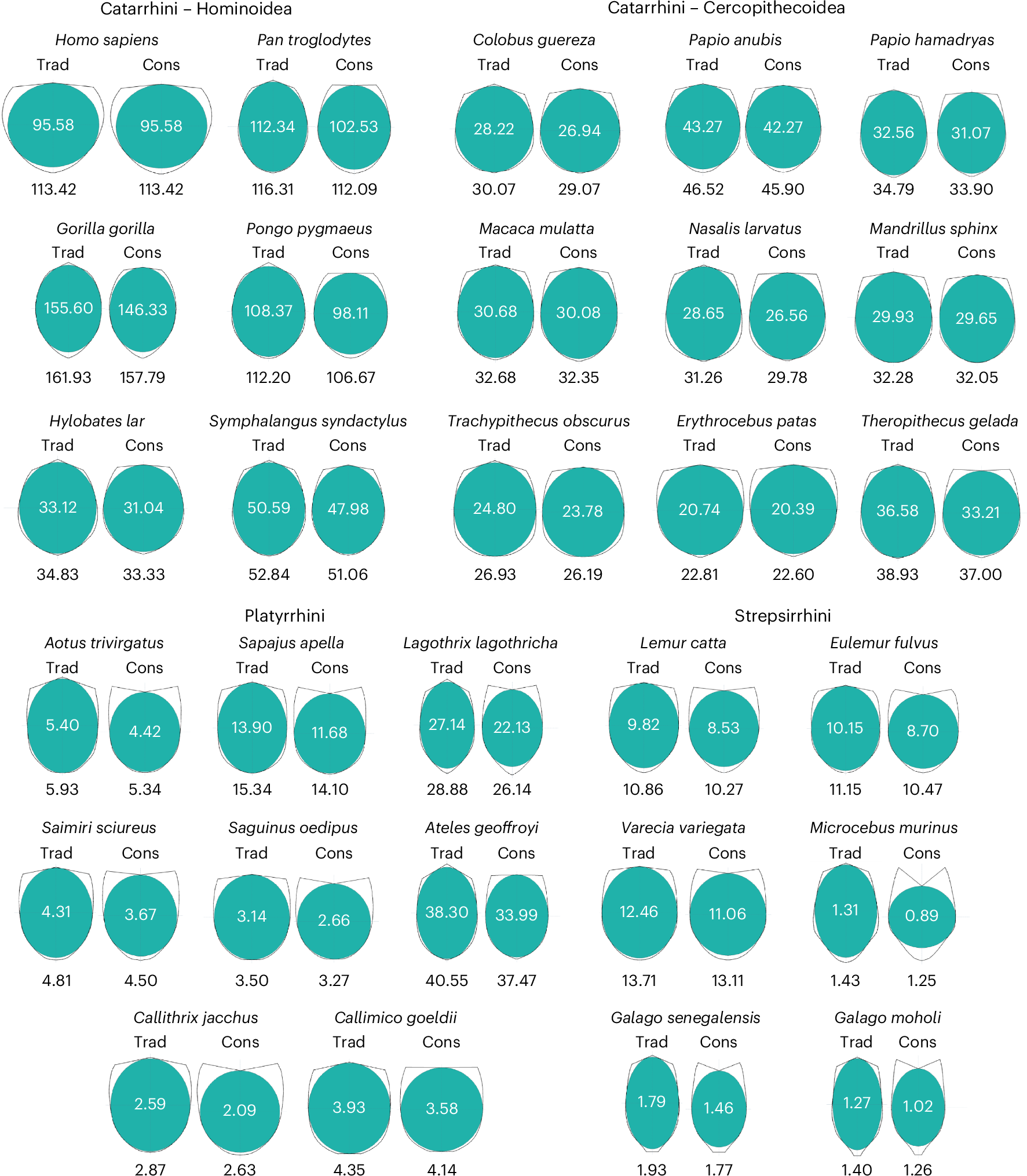
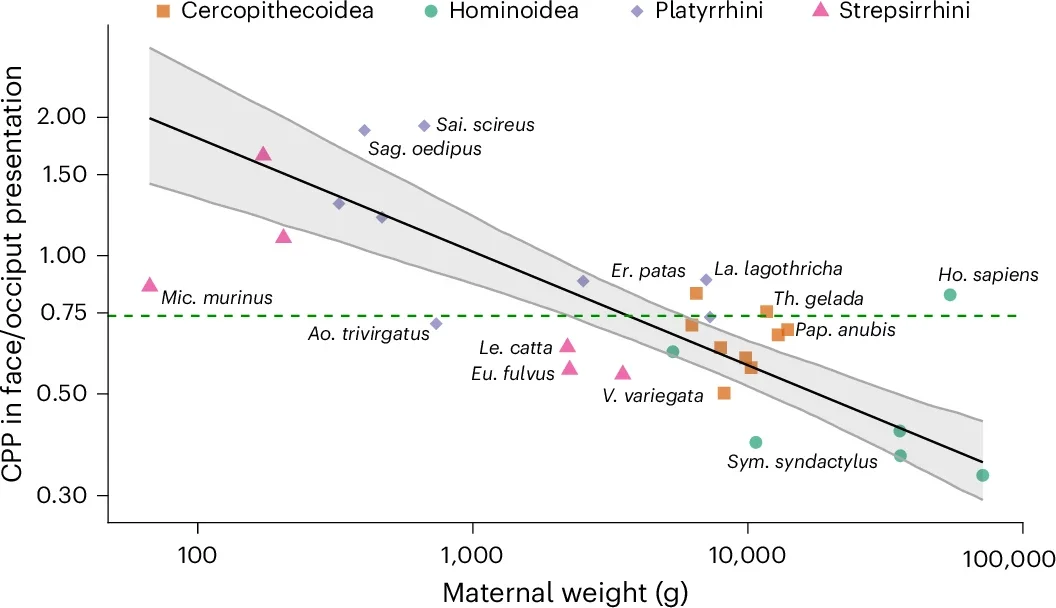
The results challenged a long-standing assumption. Humans were not the only primates with a constrained fit at birth. The study found that tight fits were especially common among proportionally smaller species. Several American monkeys and other small-bodied primates displayed striking levels of constraint between newborn head size and available pelvic space.
Among the most dramatic examples were squirrel monkeys. According to the researchers, newborn squirrel monkey heads can be nearly twice the size of the mother’s pelvic space. That finding stands in sharp contrast to the traditional view that difficult childbirth emerged primarily as a consequence of human evolution.
Earlier theories emphasized a unique conflict in humans. As our ancestors evolved upright walking, pelvic anatomy changed. At the same time, increasing brain size produced larger-headed infants. Together, those developments were thought to create an exceptional challenge during birth.
The new study does not dispute that human childbirth is difficult. Instead, it suggests that difficult birth is part of a wider evolutionary pattern rather than a uniquely human condition. Notably, the researchers found that the phenomenon did not appear among other apes to the same degree. Yet many smaller primates exhibited constrained birth dimensions that rivaled or exceeded those seen in humans.
If tight fits occur in multiple primates, how do those species cope? The researchers found evidence that some have evolved anatomical adaptations that appear to ease childbirth.
“Interestingly, we found that some of the small-bodied primates that experience a constrained fit during childbirth have developed clever adaptations to make the process less difficult,” said co-corresponding author Dr. Lia Betti of UCL Anthropology.
One example involves rhesus macaques. Female rhesus macaques experience delayed fusion of pelvic bones compared with males. This occurs during their reproductive years and may help provide additional flexibility during birth. Bushbabies appear to take the strategy even further.
“The pelvic bones of female rhesus macaques fuse together later than in males, during their reproductive years, and in bushbabies they never fuse, allowing the pelvis to expand during birth to accommodate the neonatal head,” Betti explained.
These adaptations suggest that evolutionary solutions to childbirth challenges can arise in different ways. Rather than following a single pattern, primate species appear to have developed distinct responses to similar anatomical pressures. The findings also raise broader questions about how scientists interpret reproductive evolution. For years, discussions of birth mechanics often centered on what made humans exceptional. The new work shifts attention toward variation across species and the possibility that similar challenges have emerged repeatedly throughout primate evolution.
The study’s conclusions do not eliminate the concept of an obstetrical dilemma. Instead, they complicate it. Researchers argue that earlier evidence may have exaggerated human uniqueness because measurement methods did not adequately account for nonhuman anatomy. Once those differences were incorporated into the analysis, a much richer picture emerged.
“The findings of our study reshape previously held assumptions about how unique human childbirth is, revealing a diversity of obstetrical dilemmas and adaptations across primates,” Betti said.
That diversity may prove just as important as any single explanation. Rather than viewing childbirth difficulty as a problem confined to one species, the study suggests it may be part of a broader evolutionary landscape. Different primates face different constraints, and many appear to have evolved specialized solutions.
What emerges is not a story of human exceptionalism, but one of variation. The narrow passage between mother and newborn, long regarded as a hallmark of human birth, appears in forms throughout the primate family tree. Some species confront it with flexible pelvic anatomy. Others rely on different fetal positioning during delivery. Each represents a distinct evolutionary answer to the same fundamental challenge.
The findings could influence how scientists study human evolution, primate anatomy, and reproductive biology.
By encouraging species-specific approaches rather than human-based assumptions, the research may improve comparative studies across mammals.
It also highlights the value of examining evolutionary adaptations in a wider range of species, revealing biological solutions that might otherwise remain overlooked.
Research findings are available online in the journal Nature Ecology & Evolution.
The original story “New study challenges a long-held assumption about human childbirth” is published in The Brighter Side of News.
Like these kind of feel good stories? Get The Brighter Side of News’ newsletter.
The post New study challenges a long-held assumption about human childbirth appeared first on The Brighter Side of News.


Leave a comment
You must be logged in to post a comment.