A person’s genetic makeup may shape their risk for Type 2 diabetes, but it does not decide the outcome. New research from the University of Massachusetts Amherst shows that daily habits can play a far stronger role than inherited risk, offering a hopeful message for millions.
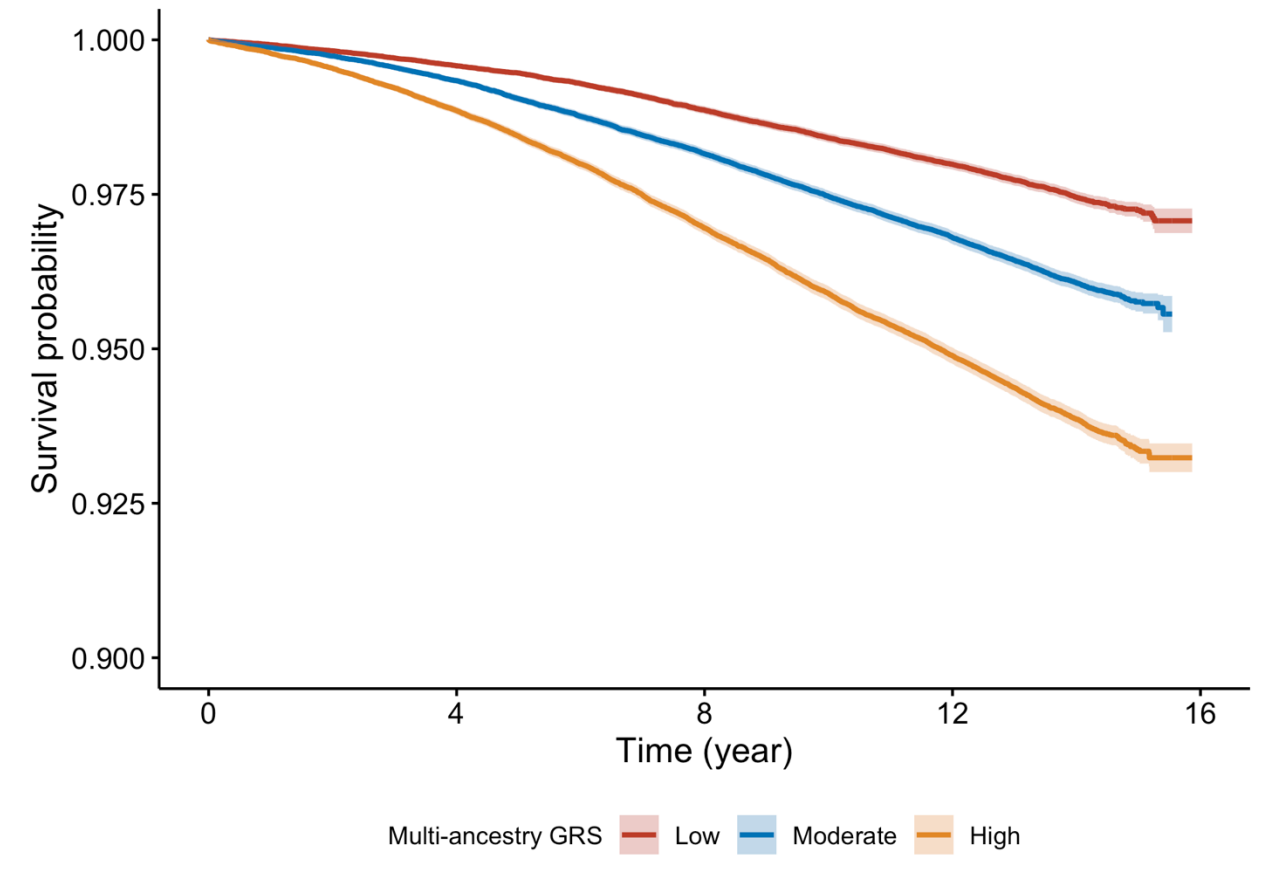
The study followed more than 332,000 adults in the United Kingdom. Over nearly 14 years, researchers tracked how genetic risk and lifestyle choices influenced who developed the disease. About 4 percent of participants were diagnosed during the study period.
The results were clear. While genetics mattered, lifestyle had a much larger effect.
“Even if you have a strong family history or high genetic risk, it’s not a foregone conclusion that you’ll develop Type 2 diabetes,” said senior author Cassandra Spracklen, associate professor of epidemiology at UMass Amherst. “Healthier lifestyle choices will mitigate your risk—even if you’ve lost the genetic lottery.”

Type 2 diabetes affects millions of people worldwide. The disease develops when the body cannot properly control blood sugar levels. Over time, it can lead to serious complications, including heart disease, nerve damage, and vision problems.
Doctors have long known that both genetics and lifestyle contribute to the condition. What remained less clear was how these factors interact over time in large populations.
To answer this, researchers used data from the UK Biobank, one of the largest health databases in the world. Participants ranged in age from 40 to 69 when they joined the study. None had diabetes at the start.
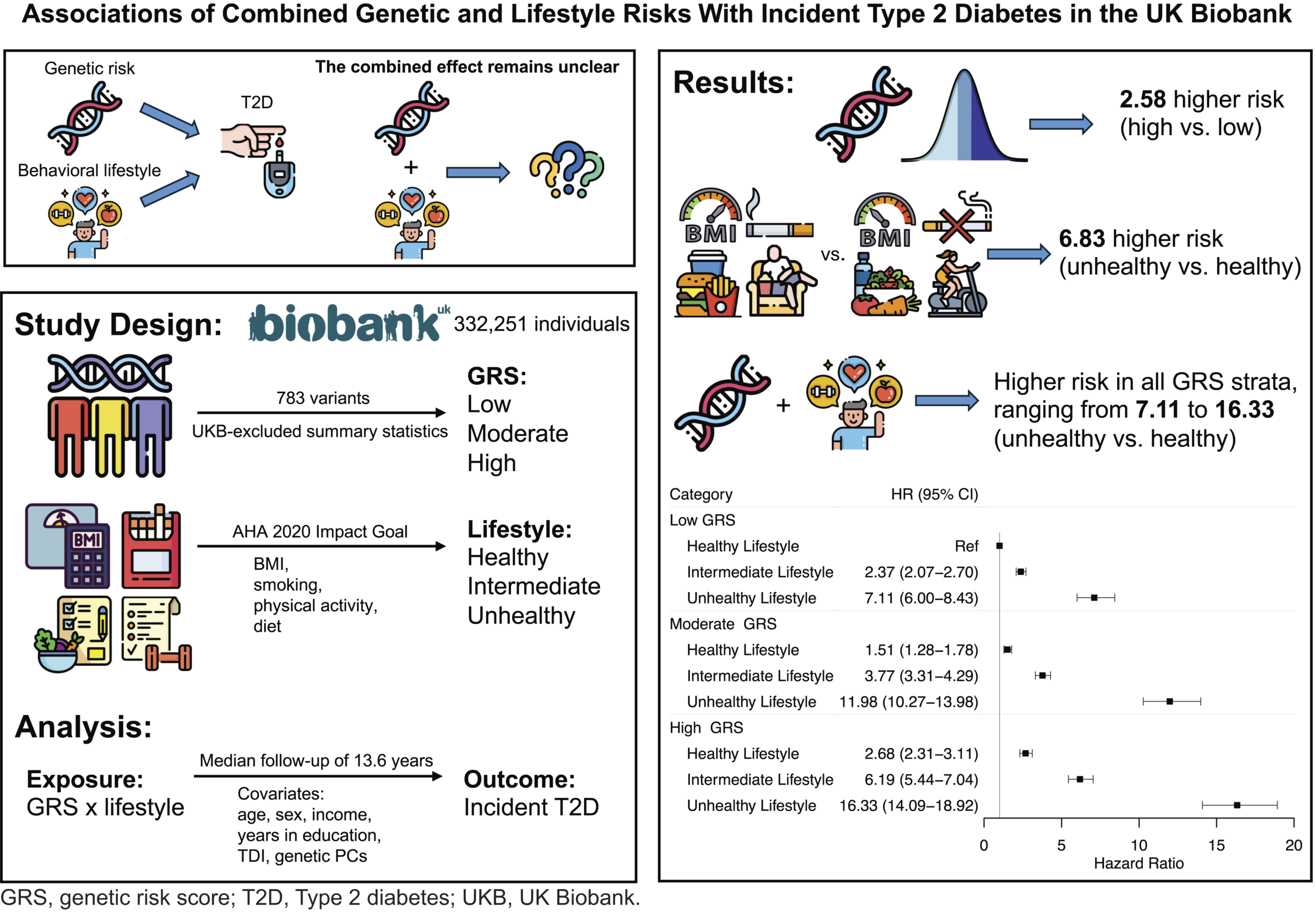
Scientists calculated each person’s genetic risk using 783 known genetic variants linked to the disease. Participants were then grouped into low, moderate, or high genetic risk categories.
At the same time, the study examined lifestyle habits. These included body weight, physical activity, smoking, and diet. People with at least three healthy factors were considered to have a healthy lifestyle.
Both genetics and lifestyle influenced diabetes risk. However, lifestyle showed a much stronger impact.

People with the least healthy habits were nearly seven times more likely to develop Type 2 diabetes compared to those with the healthiest lifestyles. By contrast, those with the highest genetic risk were about 2.6 times more likely to develop the disease than those with the lowest genetic risk.
This gap highlights a powerful point. Daily choices can outweigh inherited risk.
“As these findings show, while genetic predisposition plays an important role, lifestyle choices have a substantially larger impact on diabetes risk,” said first author Chi “Josh” Zhao, a doctoral student in epidemiology at UMass Amherst. “Encouragingly, this means that individuals can meaningfully reduce their risk through healthier behaviors, regardless of their genetic background.”
One of the most important findings came from examining lifestyle across all genetic groups.
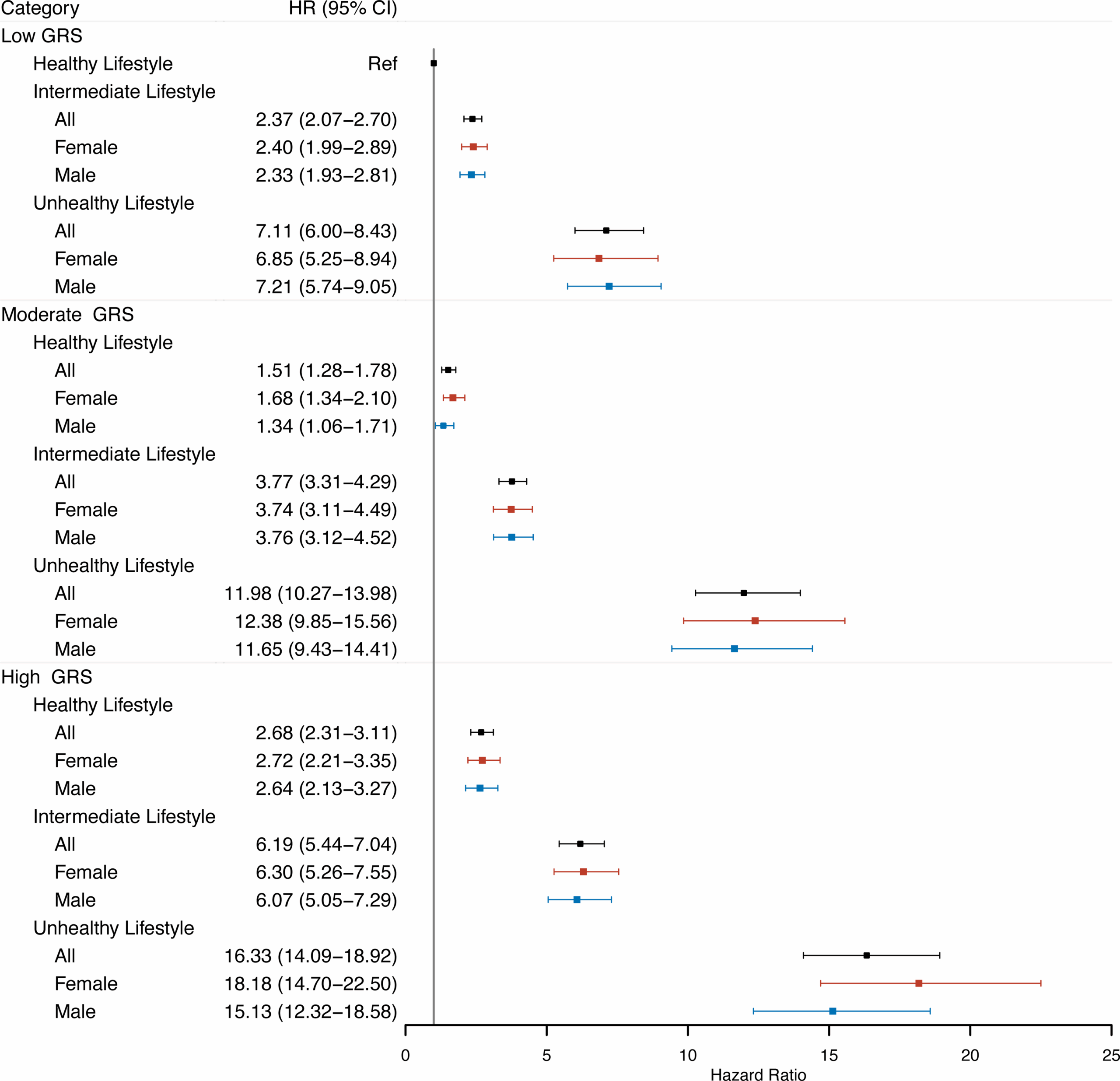
People who followed healthier habits consistently had lower rates of diabetes, regardless of their genetic risk level. Even those with high genetic risk benefited from better lifestyle choices.
In contrast, poor habits raised risk across the board. Individuals with unhealthy lifestyles faced significantly higher chances of developing the disease, even if their genetic risk was low.
This pattern shows that lifestyle acts as a powerful lever. It can either increase or decrease risk, no matter what genes a person carries.
Among the lifestyle factors studied, body weight had the strongest link to diabetes risk. Participants with higher body mass index faced much greater chances of developing the disease.
Smoking also played a major role, followed by physical activity. Diet still mattered, but it had a smaller independent effect compared to the other factors.
These results suggest that focusing on a few key habits can make a meaningful difference. Maintaining a healthy weight, staying active, and avoiding smoking appear to have the greatest impact.
Importantly, the benefits were seen across both men and women and across different ancestry groups. This suggests that the findings apply broadly.
The study also estimated how many cases might be avoidable.
Researchers found that more than 55 percent of new Type 2 diabetes cases could theoretically be prevented if people with less healthy lifestyles improved their habits.
This finding underscores the importance of prevention. It suggests that small, consistent changes across a population could reduce the overall burden of the disease.
Even partial improvements may help. Spracklen emphasized that perfection is not required.
“You cannot change your genetics,” she said. “But even making improvements as an adult—not necessarily perfect changes, but better ones—can still reduce risk.”
The study followed participants for up to two decades, offering a rare long-term view. This allowed researchers to see how risk develops over time.
They also noted that delaying the onset of diabetes can still bring benefits. Even if the disease is not fully prevented, later onset may reduce complications and improve quality of life.
This insight adds another layer to the findings. Healthy habits may not only lower risk but also slow the progression of disease.
For many people, genetic risk can feel fixed and unavoidable. This study offers a different perspective.
Genes may set the stage, but they do not control the outcome. Lifestyle choices shape how that risk unfolds.
The findings align with a growing body of research showing that behavior plays a central role in health. They also support public health efforts that focus on prevention through lifestyle changes.
Rather than viewing genetic risk as destiny, the study frames it as one part of a larger picture.
These resources provide additional evidence on lifestyle intervention, genetic susceptibility and long-term Type 2 diabetes prevention.
Reduction in the incidence of type 2 diabetes with lifestyle intervention or metformin: The landmark Diabetes Prevention Program showed that intensive lifestyle intervention substantially reduced progression to Type 2 diabetes among high-risk adults. (New England Journal of Medicine, 2002)
Prevention of type 2 diabetes mellitus by changes in lifestyle among subjects with impaired glucose tolerance: This randomized Finnish study demonstrated that sustained lifestyle changes could sharply lower diabetes incidence in people with impaired glucose regulation. (New England Journal of Medicine, 2001)
Genetic predisposition, lifestyle intervention, and risk of type 2 diabetes: Researchers found that lifestyle intervention reduced diabetes risk even among people carrying genetic variants associated with greater susceptibility. (New England Journal of Medicine, 2006)
Global aetiology and epidemiology of type 2 diabetes mellitus and its complications: This review examines how genetics, obesity, physical inactivity, diet and environmental factors contribute to the worldwide diabetes burden. (Nature Reviews Endocrinology, 2018)
Standards of Care in Diabetes: The American Diabetes Association’s regularly updated clinical standards summarize evidence-based approaches to diabetes prevention, diagnosis and treatment. (American Diabetes Association, updated annually)
Research findings are available online in the journal Diabetes.
The original story “Lifestyle choices can outweigh genetic risk for type 2 diabetes” is published in The Brighter Side of News.
Like these kind of feel good stories? Get The Brighter Side of News’ newsletter.
The post Lifestyle choices can outweigh genetic risk for type 2 diabetes appeared first on The Brighter Side of News.


Leave a comment
You must be logged in to post a comment.